Blog Post
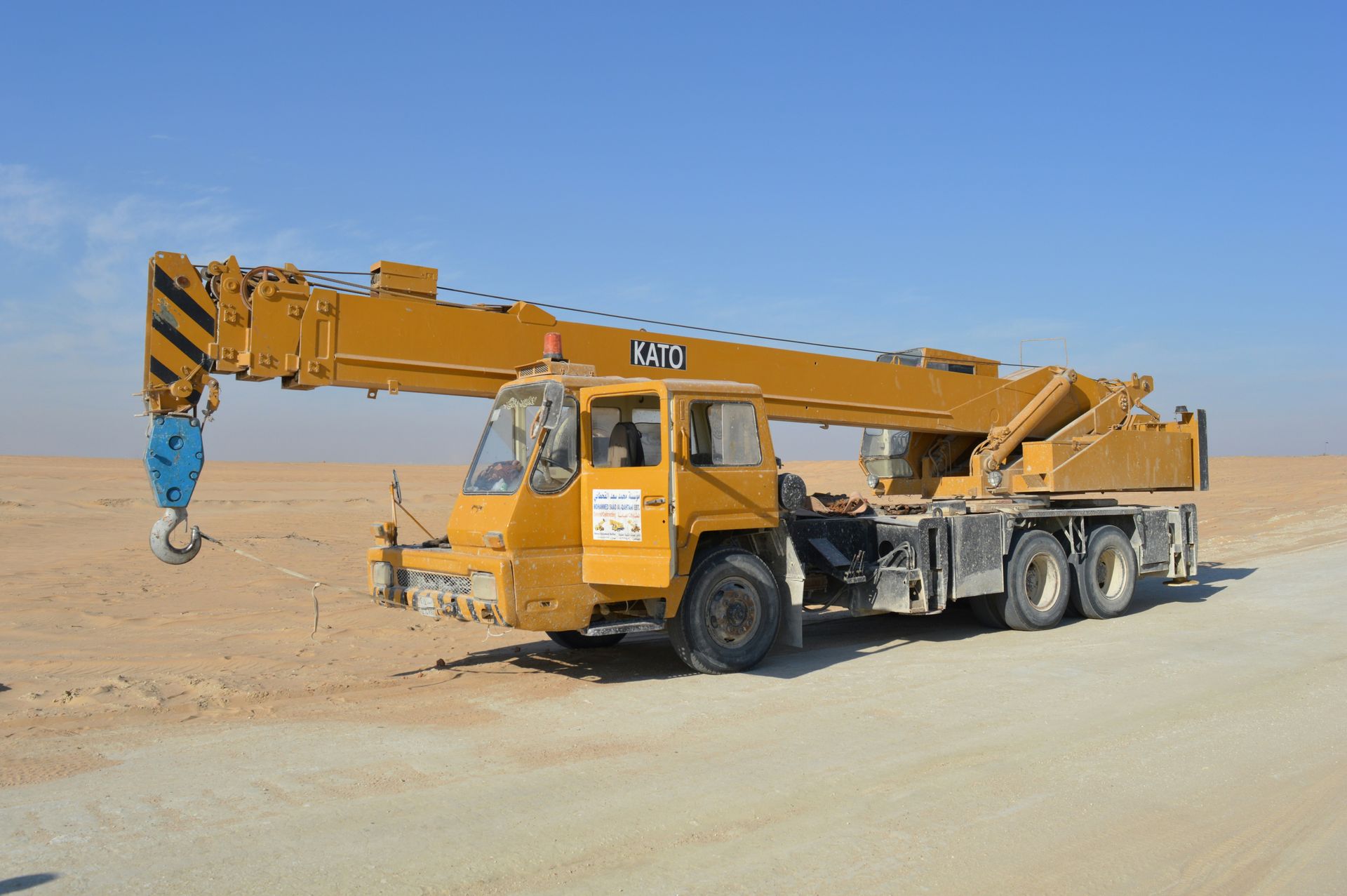
Learn what NCCCO certification requires for crane operators near Pflugerville, TX, and why it matters for safe, compliant lifts on local jobsites today.

Discover how Typhoon Texas in Pflugerville connects crane safety, ride inspections, and Central Texas climate to regional infrastructure.

Learn how OSHA 1926 Subpart CC governs crane operations in Pflugerville, TX — from operator certification to ground conditions and power line safety.
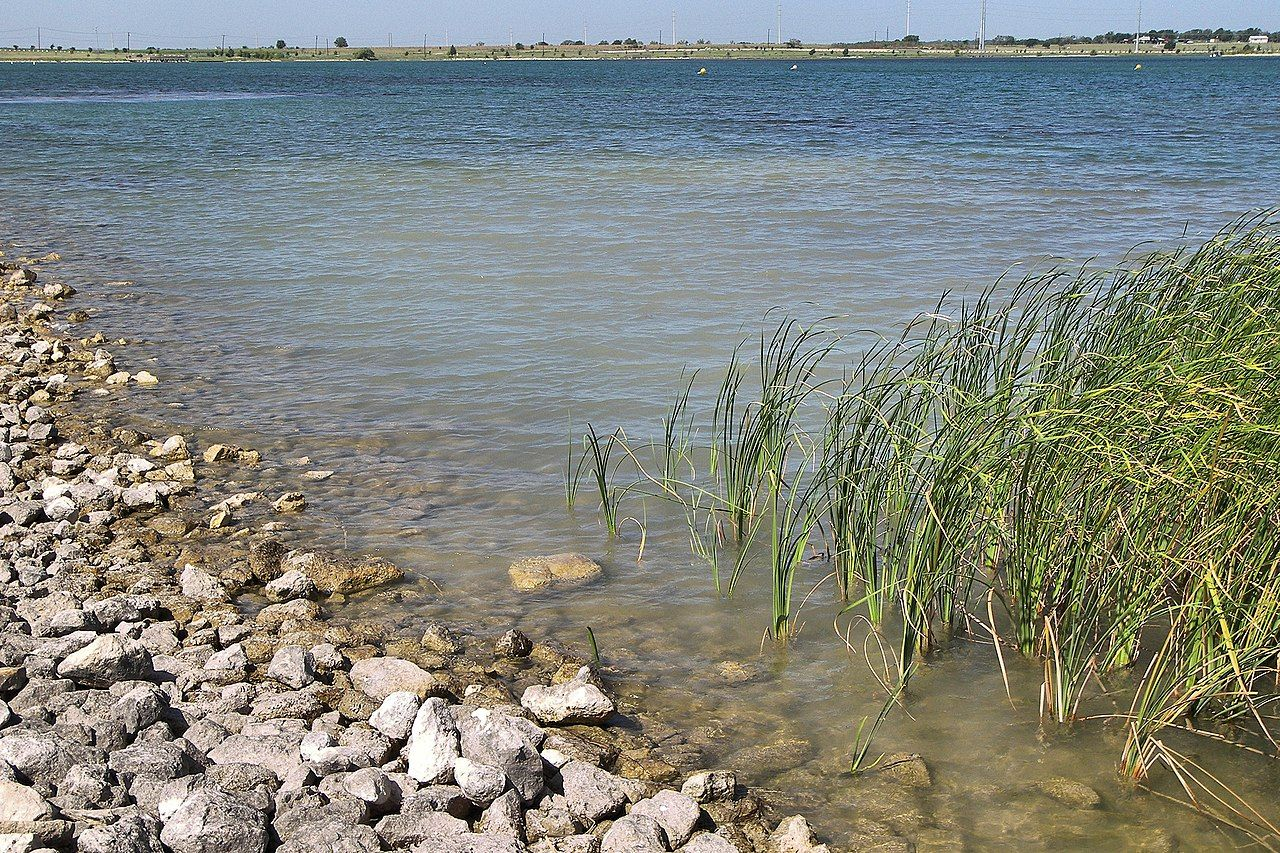
Learn what contractors need to know about soil conditions, utility clearances, and permits for crane operations near Lake Pflugerville in Pflugerville, TX.
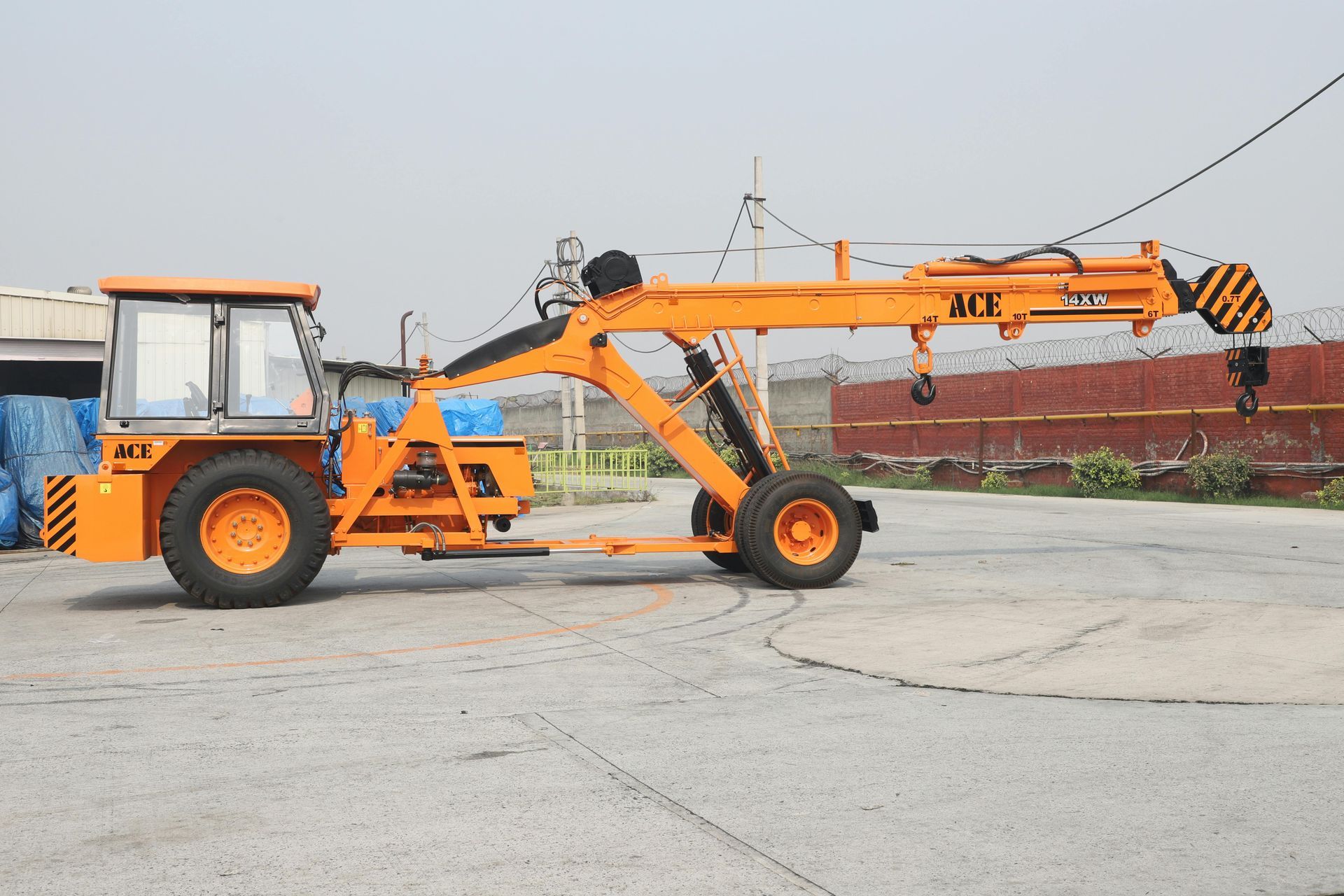
What is crane mobilization, and what does it actually cost? Down South Crane & Rigging explains what affects pricing, what is included, and how to avoid surprises.
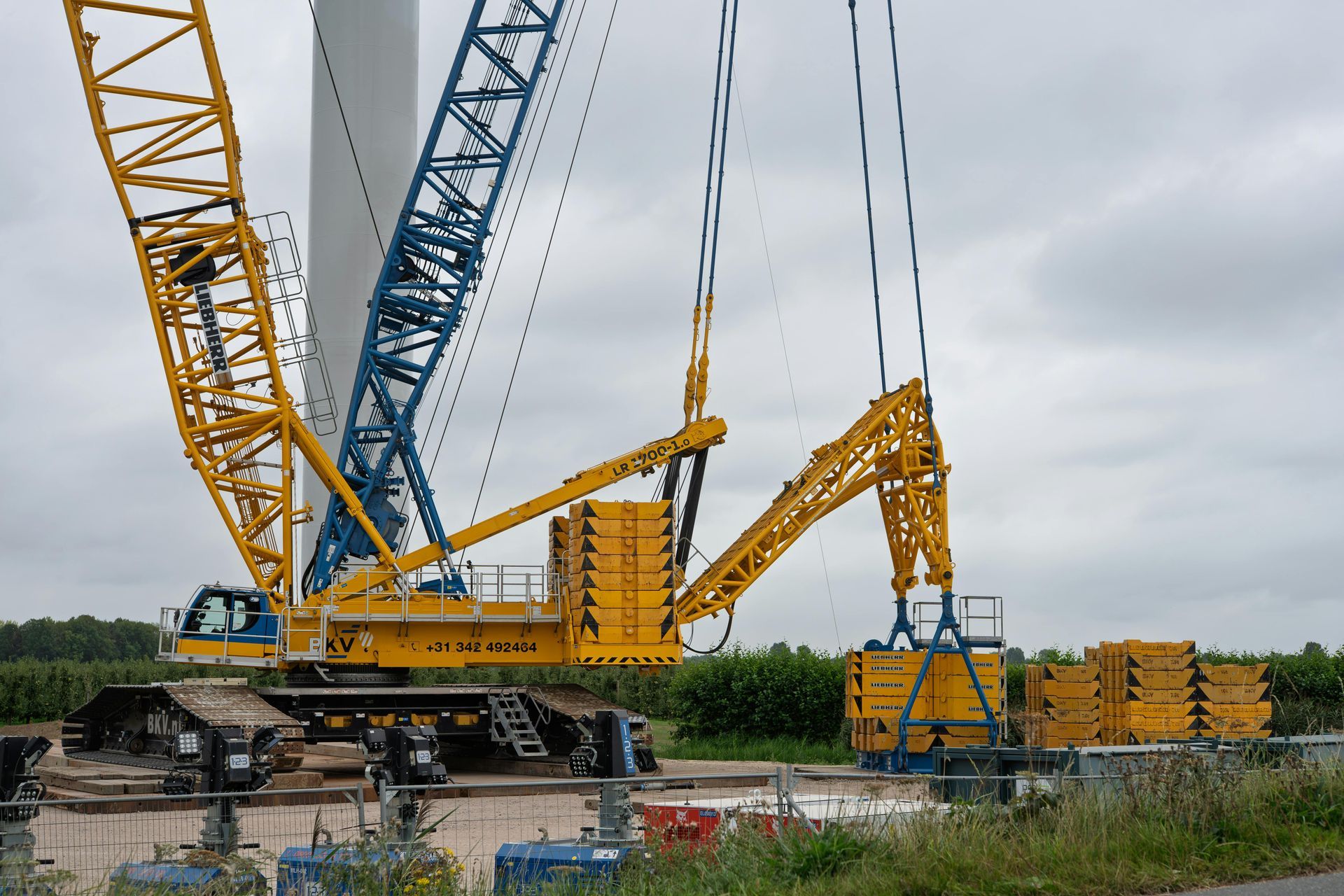
Learn how to evaluate a crane and rigging contractor before hiring. Down South Crane & Rigging shares what to look for in safety, planning, experience, and service.
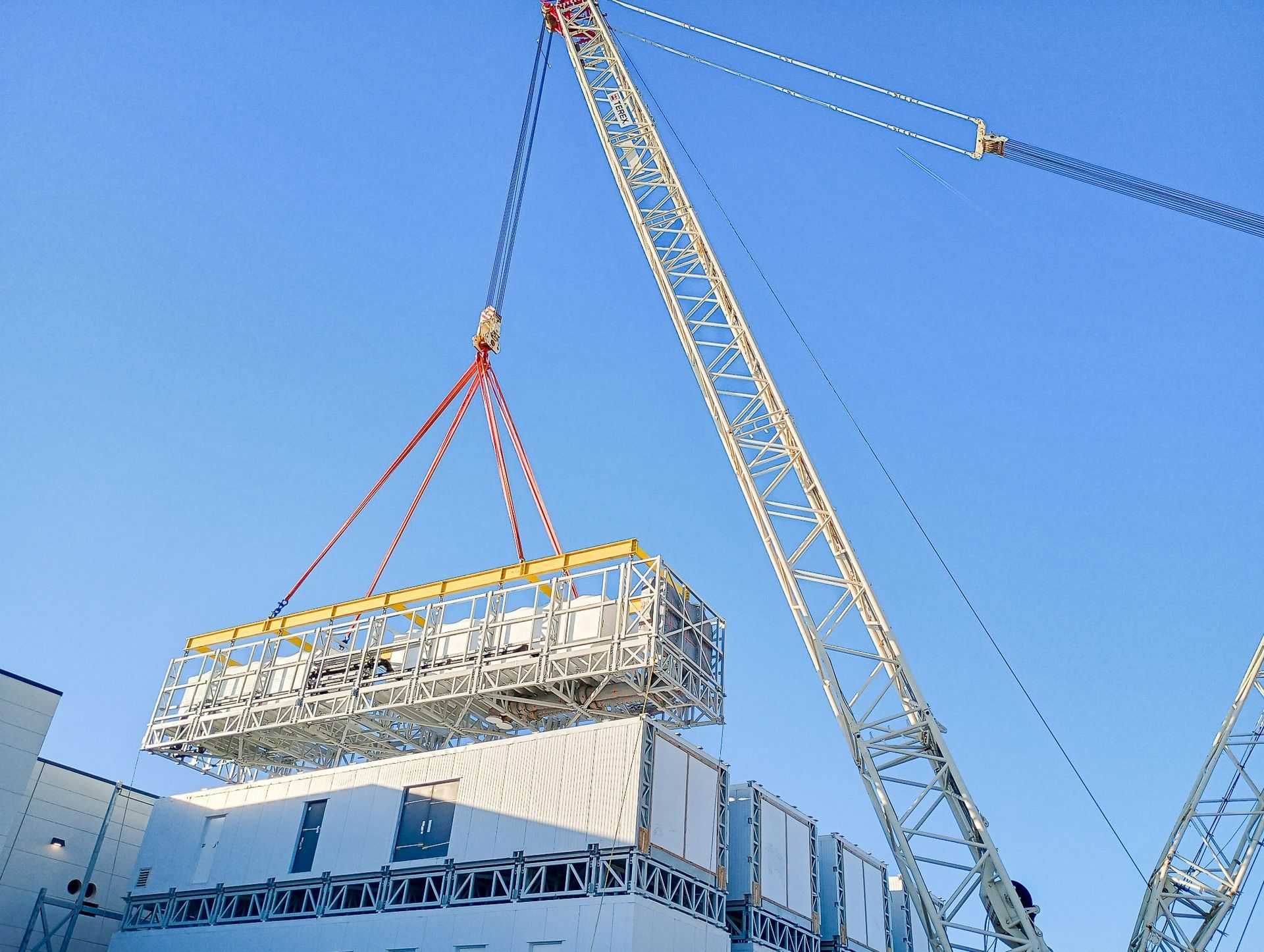
Certified crane operators & rigging crews boost jobsite safety with trained skills, clear communication, and fewer incidents.
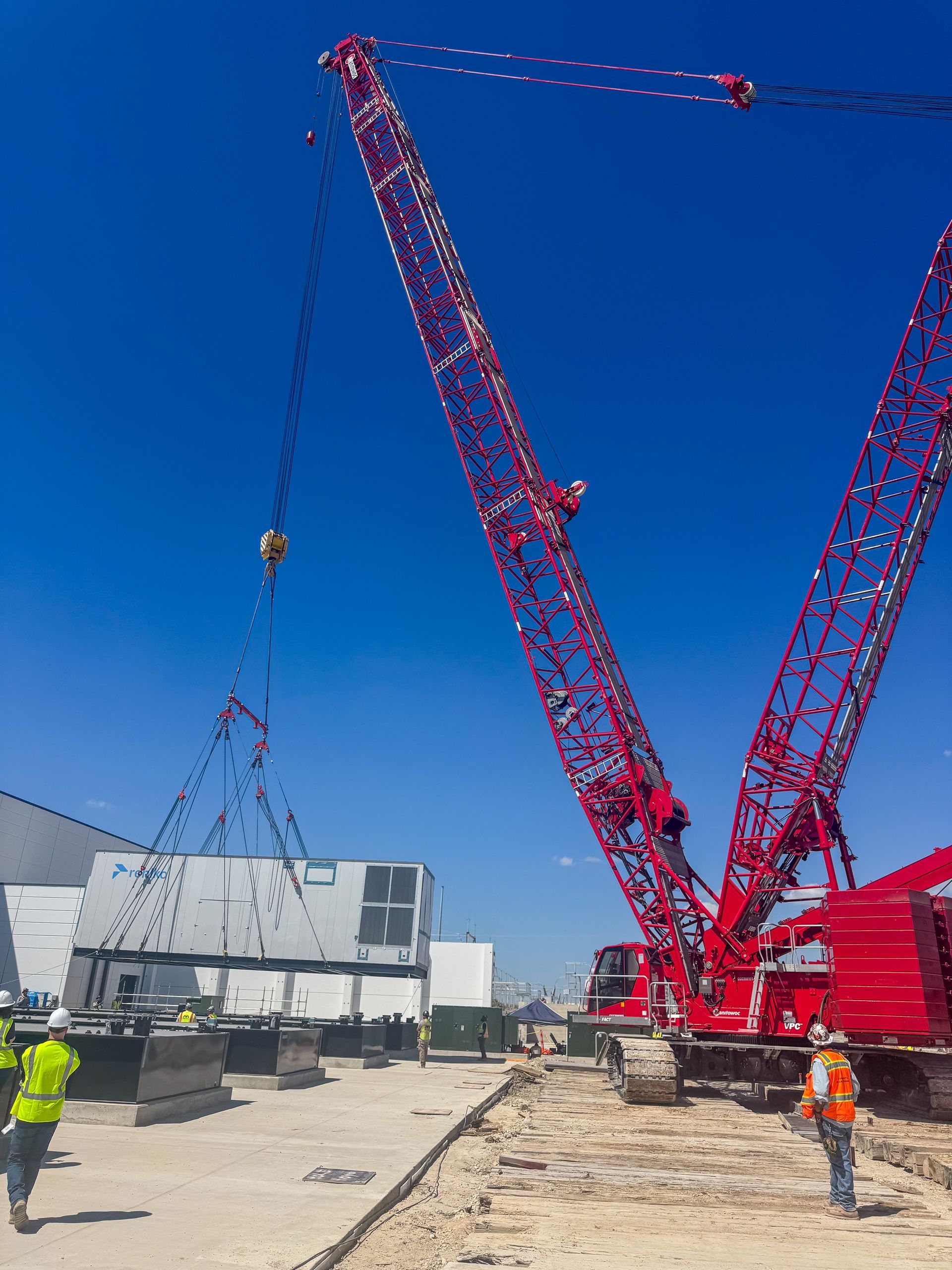
Common crane and rigging mistakes that cause delays on industrial projects and how proper planning prevents setbacks.
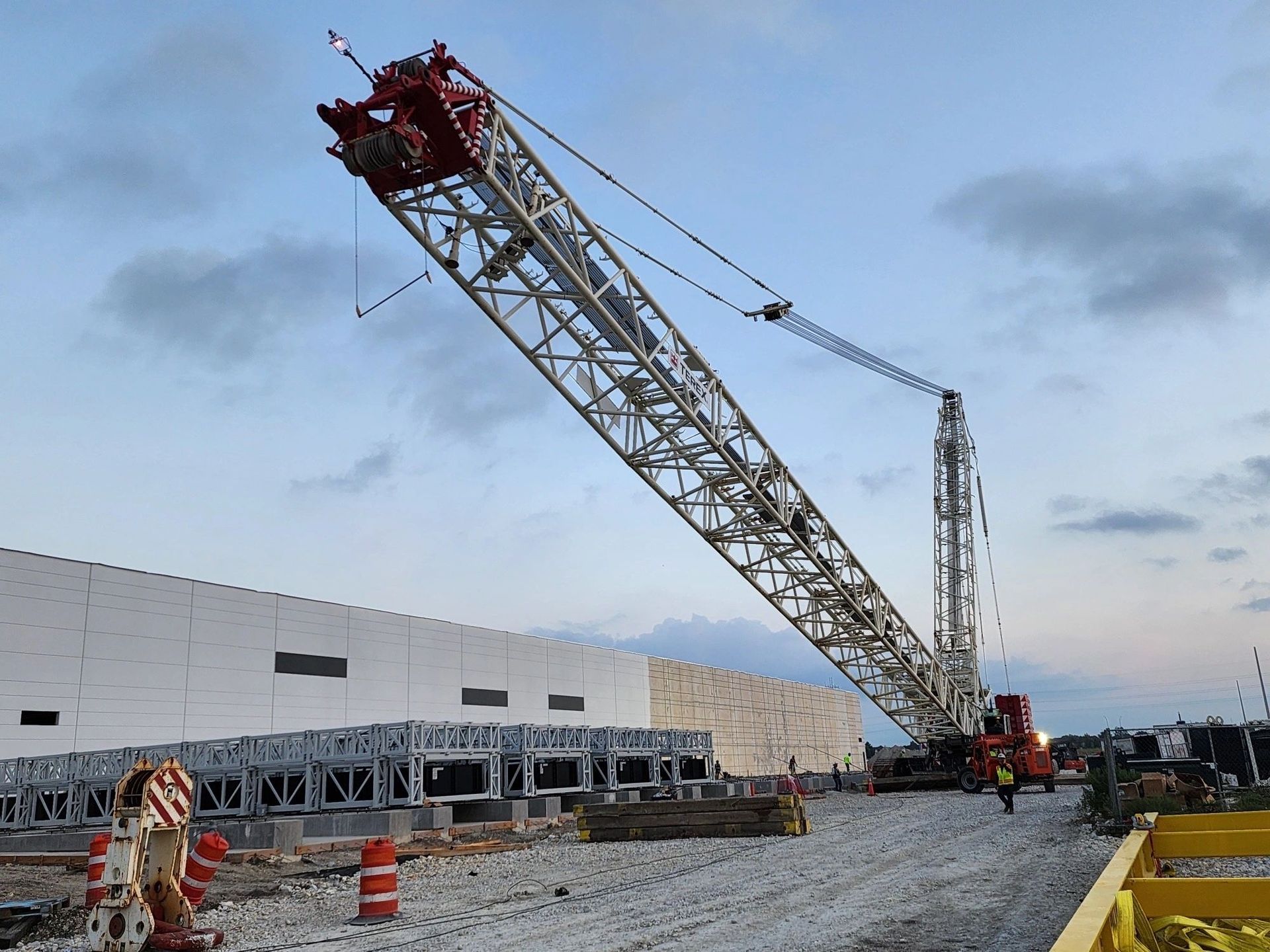
Using one contractor for crane, steel erection and fabrication reduces risk through integrated planning and clear accountability.
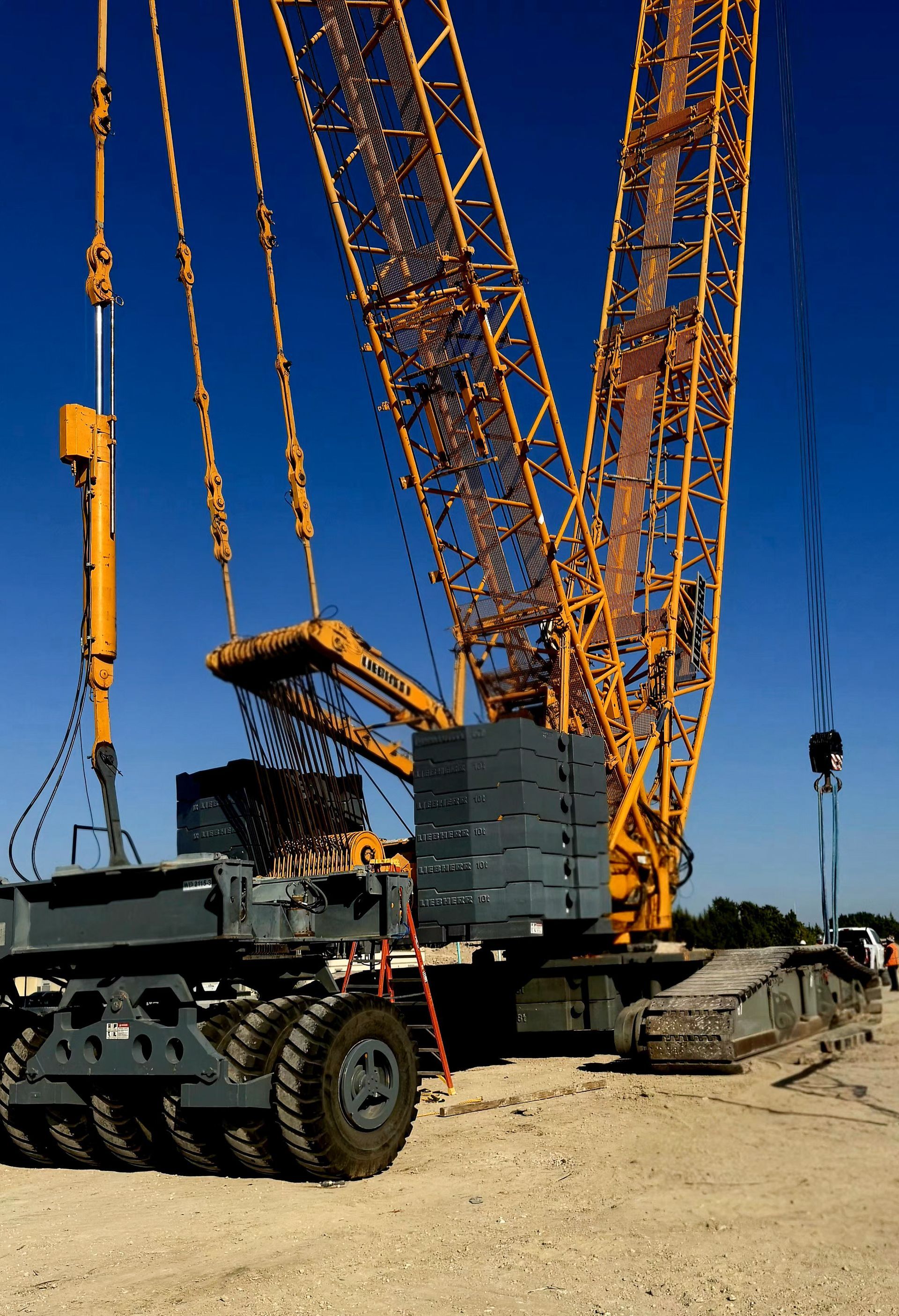
Selecting the right crane is one of the most important decisions on an industrial or commercial construction project. The type of crane you choose directly impacts safety, efficiency, cost, and schedule—especially when crane operations are on the critical path. Two of the most commonly used crane types for industrial projects are Rough Terrain (RT) cranes and lattice boom crawler cranes . While both are powerful lifting solutions, they are designed for very different applications. Understanding their strengths, limitations, and ideal use cases helps project teams avoid costly mistakes. Why Crane Selection Matters More Than You Think Crane-related issues are rarely caused by equipment failure. More often, problems arise because the wrong crane was selected for the job. Choosing an undersized or poorly suited crane can lead to: Unsafe lift conditions Reduced productivity Excessive mobilization costs Jobsite delays Field modifications and rework Conversely, choosing the correct crane from the start allows projects to move forward with confidence and predictability. What Is a Rough Terrain (RT) Crane? Rough Terrain cranes are compact, highly mobile cranes designed to operate on uneven or unimproved surfaces. They are commonly used on jobsites where access is limited and lift durations are relatively short. Key Characteristics of RT Cranes Four large rubber tires Compact footprint Telescopic boom Fast setup and teardown High maneuverability RT cranes are typically transported to the jobsite as a single unit, making mobilization faster and more cost-effective for short-term projects. Best Applications for RT Cranes RT cranes excel in situations where flexibility and speed are more important than sheer lifting capacity. RT cranes are commonly used for: Tight or congested jobsites Short-duration lifts Maintenance and shutdown work Steel placement in confined areas Projects with frequent crane repositioning Because RT cranes can move easily around the jobsite, they are ideal when multiple picks are required from different locations. Limitations of RT Cranes While RT cranes are versatile, they are not the right solution for every project. Limitations include: Lower maximum lifting capacity compared to crawler cranes Reduced stability at longer radii Limited suitability for long-duration heavy lifts More sensitivity to ground conditions during heavy picks RT cranes perform best when lifts are within their optimal capacity range and site conditions are carefully evaluated. What Is a Lattice Boom Crawler Crane? Crawler cranes are heavy-duty cranes designed for large, complex, and long-duration lifting operations. Unlike RT cranes, crawler cranes move on tracks and are typically assembled on site. Key Characteristics of Crawler Cranes Lattice boom configuration Tracked undercarriage High lifting capacity Exceptional stability Ability to travel with load (within limits) Crawler cranes are engineered for demanding industrial environments where precision and stability are critical. Best Applications for Crawler Cranes Crawler cranes are the preferred choice for projects involving heavy components, long lift durations, or minimal tolerance for movement or error. Crawler cranes are commonly used for: Heavy and critical lifts Large structural steel erection Industrial facility construction Long-duration projects Projects requiring large radii or significant reach Because crawler cranes can remain assembled and positioned for extended periods, they are ideal for phased construction and repetitive heavy lifting. Limitations of Crawler Cranes Crawler cranes offer unmatched capacity and stability, but they come with trade-offs. Limitations include: Higher mobilization and demobilization costs Longer setup time Larger footprint requirements Greater planning and logistics complexity For smaller or short-term projects, the additional cost and time may outweigh the benefits. RT Cranes vs. Crawler Cranes: Key Differences Understanding the practical differences between RT cranes and crawler cranes helps clarify which is right for your project. Mobility RT Crane: High mobility, easy repositioning Crawler Crane: Limited repositioning once assembled Capacity RT Crane: Moderate lifting capacity Crawler Crane: High to extremely high lifting capacity Setup Time RT Crane: Minimal setup Crawler Crane: Requires assembly and planning Project Duration RT Crane: Best for short-term or intermittent work Crawler Crane: Best for long-term or phased projects Site Requirements RT Crane: Compact footprint Crawler Crane: Requires more space and ground preparation How Engineered Lift Planning Influences Crane Selection Crane selection should never be based on intuition alone. Engineered lift planning evaluates: Load weight and dimensions Pick and set radius Ground bearing capacity Site access and restrictions Lift frequency and sequencing In many cases, engineered lift planning reveals that a crane initially thought to be sufficient is not the safest or most efficient option. Ground Conditions: A Critical Factor Ground conditions play a major role in crane selection. RT cranes may perform well on compacted or prepared surfaces but can be limited by ground bearing pressures during heavier lifts. Crawler cranes distribute weight more evenly through tracks, making them better suited for: Soft or variable soil conditions Long-term placement Heavy loads over extended durations Ignoring ground conditions can compromise safety regardless of crane type. Cost Considerations: Short-Term vs. Long-Term Thinking While RT cranes often have lower upfront costs, crawler cranes may be more cost-effective over the life of a large project. RT cranes can become inefficient when: Multiple cranes are required Repositioning causes delays Capacity limits slow production Crawler cranes, while more expensive initially, often provide: Faster lift cycles Fewer mobilizations Reduced schedule risk The lowest daily rate does not always mean the lowest total project cost. Why Integrated Planning Makes the Difference Crane selection becomes far more effective when lift planning, crane operations, and supporting construction services are coordinated by one team. When the same contractor handles: Crane operations Lift planning Steel erection or fabrication support Crane selection is aligned with real execution—not assumptions. Final Thoughts There is no “one-size-fits-all” crane solution. RT cranes and crawler cranes each serve critical roles on industrial and commercial projects. The right choice depends on: Project scope Lift complexity Site conditions Schedule demands Risk tolerance By partnering with an experienced crane company in Texas , project teams can pair crane operations with engineered lift planning to select the right crane with confidence and avoid costly surprises.
Search
Recent Post
Learn what NCCCO certification requires for crane operators near Pflugerville, TX, and why it matters for safe, compliant lifts on local jobsites today.
Discover how Typhoon Texas in Pflugerville connects crane safety, ride inspections, and Central Texas climate to regional infrastructure.
Learn how OSHA 1926 Subpart CC governs crane operations in Pflugerville, TX — from operator certification to ground conditions and power line safety.
Learn what contractors need to know about soil conditions, utility clearances, and permits for crane operations near Lake Pflugerville in Pflugerville, TX.
What is crane mobilization, and what does it actually cost? Down South Crane & Rigging explains what affects pricing, what is included, and how to avoid surprises.