What Is Crane Mobilization and What Does It Actually Cost?
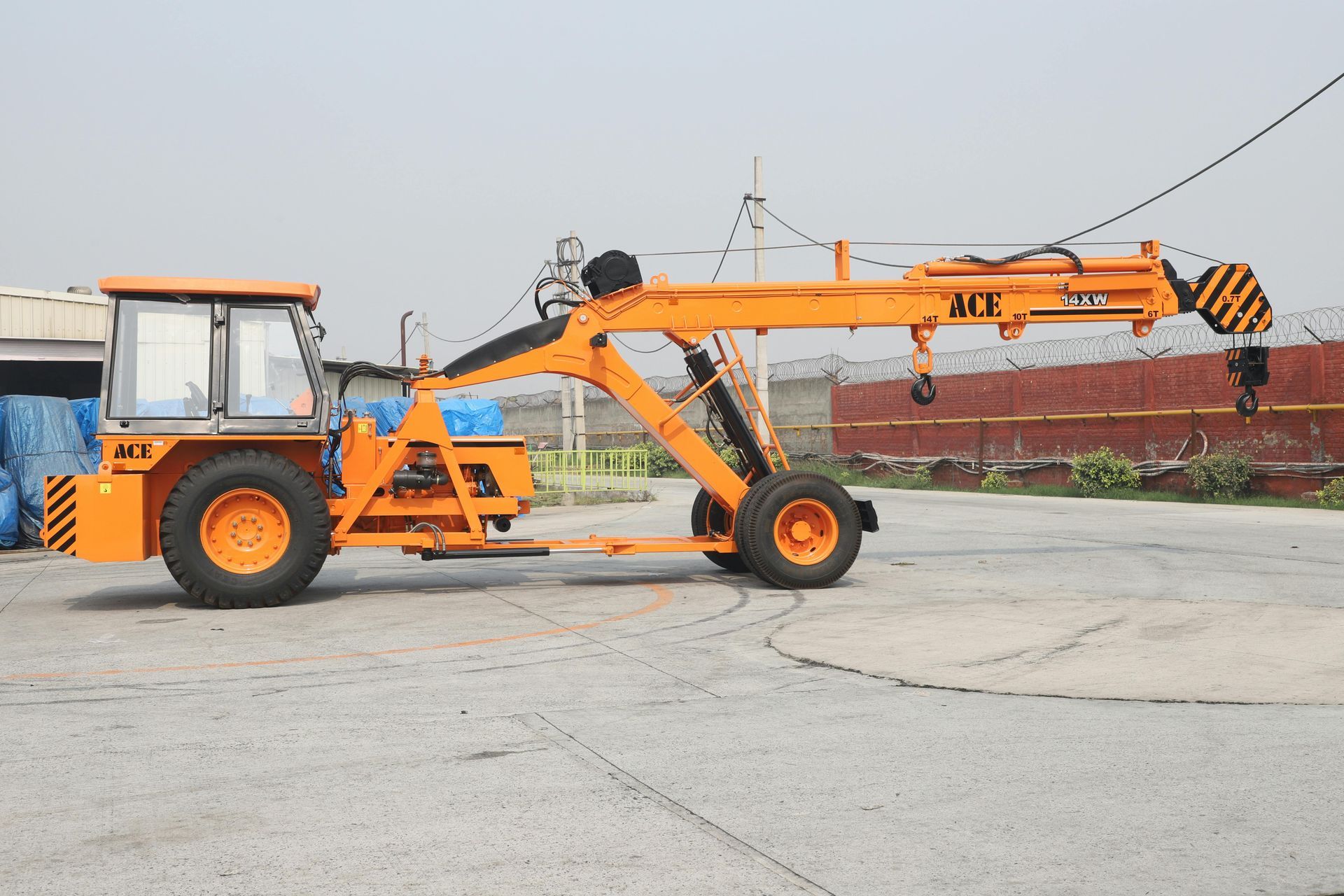
If you have never hired a crane contractor before, one of the first line items that may catch your attention is mobilization. For many project owners and newer project managers, crane mobilization can feel vague at first glance. It gets listed in a quote, but it is not always obvious what is included, why it costs what it does, or why it can vary so much from one project to the next. At Down South Crane & Rigging, we often help clients understand that mobilization is not just a delivery charge. It is a key part of preparing the job correctly from the start.
The short answer is this: crane mobilization is the process of getting the crane, support equipment, crew, and logistics in place so the lift can happen safely and efficiently. But there is more behind that number than most people realize. Down South Crane & Rigging believes that when clients understand what goes into mobilization, they are better equipped to compare quotes, budget accurately, and avoid surprises once the project is underway.
What crane mobilization actually means
Crane mobilization is not simply the cost of driving a crane to the site.
Depending on the size of the equipment and the complexity of the project, mobilization can involve transportation planning, hauling components, scheduling support trucks, setting up counterweights, preparing rigging gear, assigning operators and riggers, coordinating permits, and allowing time for assembly and setup. In other words, mobilization covers the real-world process of getting a crane job ready to execute.
For smaller and simpler jobs, mobilization may be relatively straightforward. For larger cranes or more demanding project environments, mobilization can become a significant planning effort on its own.
Why mobilization costs vary so much
There is no one-size-fits-all mobilization cost because no two crane jobs are exactly alike.
Several factors influence the final number, including the type of crane, travel distance, site access, setup requirements, project duration, and the support equipment needed. A crane working on a quick pick in an accessible area will not mobilize the same way as a machine supporting a complex industrial project with limited access and strict scheduling demands.
This is why you may see very different mobilization numbers between quotes. The question is not just what the number is. The better question is what that number includes.
The type of crane affects mobilization
Different crane types require different levels of transport, setup, and support.
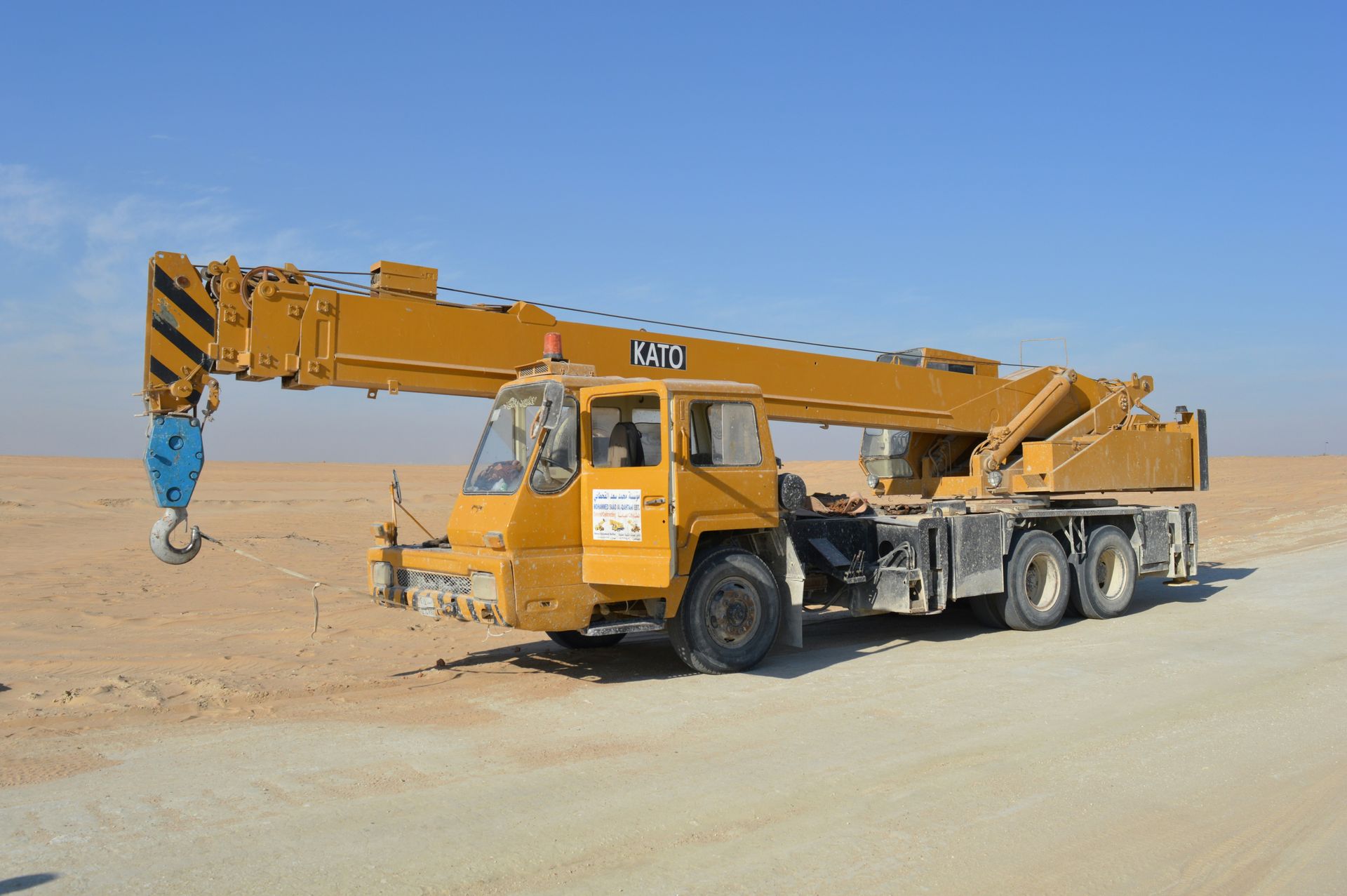
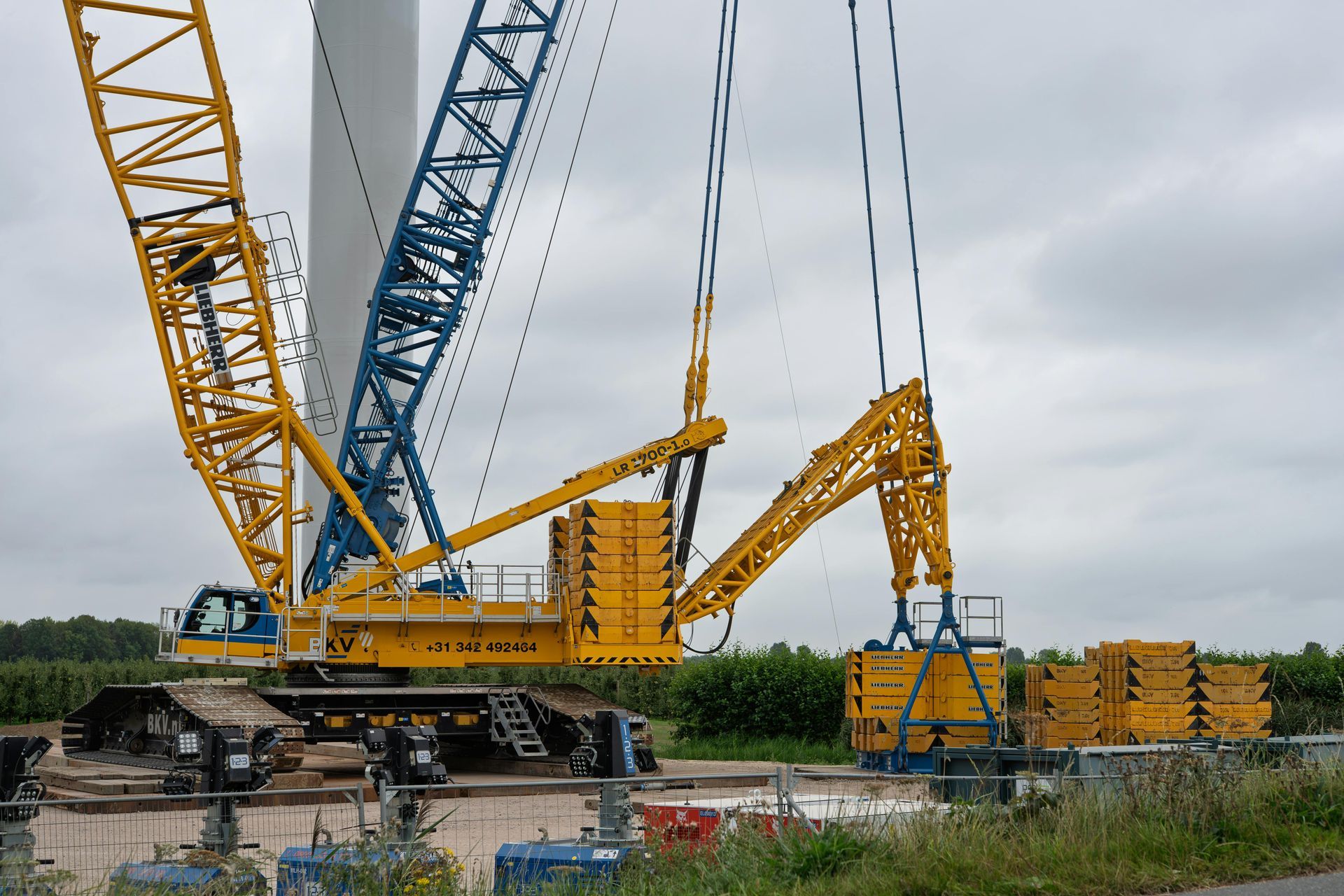
For example, a smaller rough terrain crane may require less assembly and less hauling than a larger crawler crane supporting a long-term or heavy-lift project. As crane size and complexity increase, mobilization requirements typically increase as well. That can include:
- more truckloads
- more setup time
- additional support equipment
- more detailed logistics
- longer demobilization on the back end
The equipment selection itself is one of the biggest drivers of mobilization cost.
Travel distance matters
Where the project is located plays a major role in mobilization pricing.
A contractor supporting a project near its yard or operating base will usually have fewer transportation costs than a contractor traveling a long distance with multiple pieces of equipment. Fuel, driver time, hauling logistics, and travel coordination all affect the number.
Distance alone is not the only consideration, but it is a big one. If a jobsite is remote or difficult to access, that can add another layer of complexity beyond simple mileage.
Site access and setup conditions can increase cost
Some jobsites are easy to enter, stage, and set up on. Others are not.
Tight access points, active operations, restricted delivery windows, poor ground conditions, overhead obstructions, and limited laydown space can all make mobilization more involved. The more complex the site conditions, the more time and coordination it typically takes to get the crane in place and ready to work.
This is one of the reasons experienced contractors ask so many questions up front. They are not trying to complicate the job. They are trying to price and plan it accurately.
Assembly and breakdown are part of the equation
For many projects, mobilization includes more than transport. It includes the labor and time required to assemble the crane on site, configure it correctly for the lift, and later break it down for removal. That can involve:
- unloading components
- installing boom sections
- setting counterweights
- staging rigging equipment
- verifying configuration for the planned work
- coordinating support personnel during setup
On the back end, demobilization includes the reverse process. Some quotes show this as one combined line item, while others separate mobilization and demobilization. If you are reviewing a proposal, make sure you understand how the contractor is structuring those costs.
Scheduling can impact mobilization too
Project timing affects pricing more than many buyers expect.
If the crane has to be mobilized urgently, delivered during a narrow shutdown window, or held on standby because the site is not ready, that can affect both cost and scheduling. Crane contractors have to allocate equipment and crews carefully, especially when supporting multiple projects.
Last-minute changes can create inefficiencies that show up in the final number. That is why early coordination is one of the best ways to control mobilization cost.
What is usually included in crane mobilization
The exact scope varies by contractor and by project, but mobilization commonly includes some combination of:
- transporting the crane to the site
- hauling attachments, components, or counterweights
- operator and crew travel
- support trucks and setup equipment
- assembly and configuration
- site arrival coordination
- demobilization planning or removal
What matters most is not whether every quote uses the same wording. What matters is whether the scope is clearly explained.
Questions to ask when reviewing mobilization cost
If you want to understand a mobilization line item better, here are a few questions worth asking:
- What equipment is included in this cost?
- Does this include both mobilization and demobilization?
- Are assembly and breakdown included?
- What site assumptions were used to build the quote?
- Are permits, escorts, or special transport requirements included if needed?
- What conditions could increase the final cost?
These questions can help you avoid confusion and compare quotes more accurately.
Why the cheapest mobilization number is not always the best deal
It can be tempting to treat mobilization like a commodity line item and choose the lowest number. But that can backfire if the quote leaves out key pieces of the work. An unrealistically low mobilization cost may mean the contractor has made assumptions that do not match the actual site conditions. It may also mean important items are being handled later as change orders, delays, or added costs.
A better approach is to look for a contractor that has taken time to understand the project and explain the pricing clearly.
Good mobilization planning protects the whole job
Mobilization is not just a cost issue. It is a project execution issue.
When mobilization is planned properly, the crane arrives when it should, the site is ready, the configuration matches the work, and the lift can move forward without unnecessary disruption. When mobilization is rushed or poorly scoped, it can cause delays before the work even starts.
That is why experienced project teams treat mobilization planning as part of the lift strategy, not just a line item to approve.
The real answer to “what does crane mobilization cost?”
The honest answer is: it depends on the project. It depends on the crane, the travel distance, the setup requirements, the site conditions, the schedule, and the overall complexity of the work. Any contractor who gives you a price without asking meaningful questions is probably not giving you the full picture.
If you are budgeting for crane work, the best next step is to provide as much project detail as possible early in the process. That gives your contractor the information they need to quote mobilization accurately and help you avoid costly surprises later.
If you are planning a project in Texas and want a clearer picture of crane mobilization, we are happy to review your job and walk through the factors that will affect pricing. Contact Down South Crane & Rigging to discuss your scope, schedule, and site conditions before you request your final quote.
Search
Recent Post