How Certified Crane Operators and Rigging Crews Improve Jobsite Safety
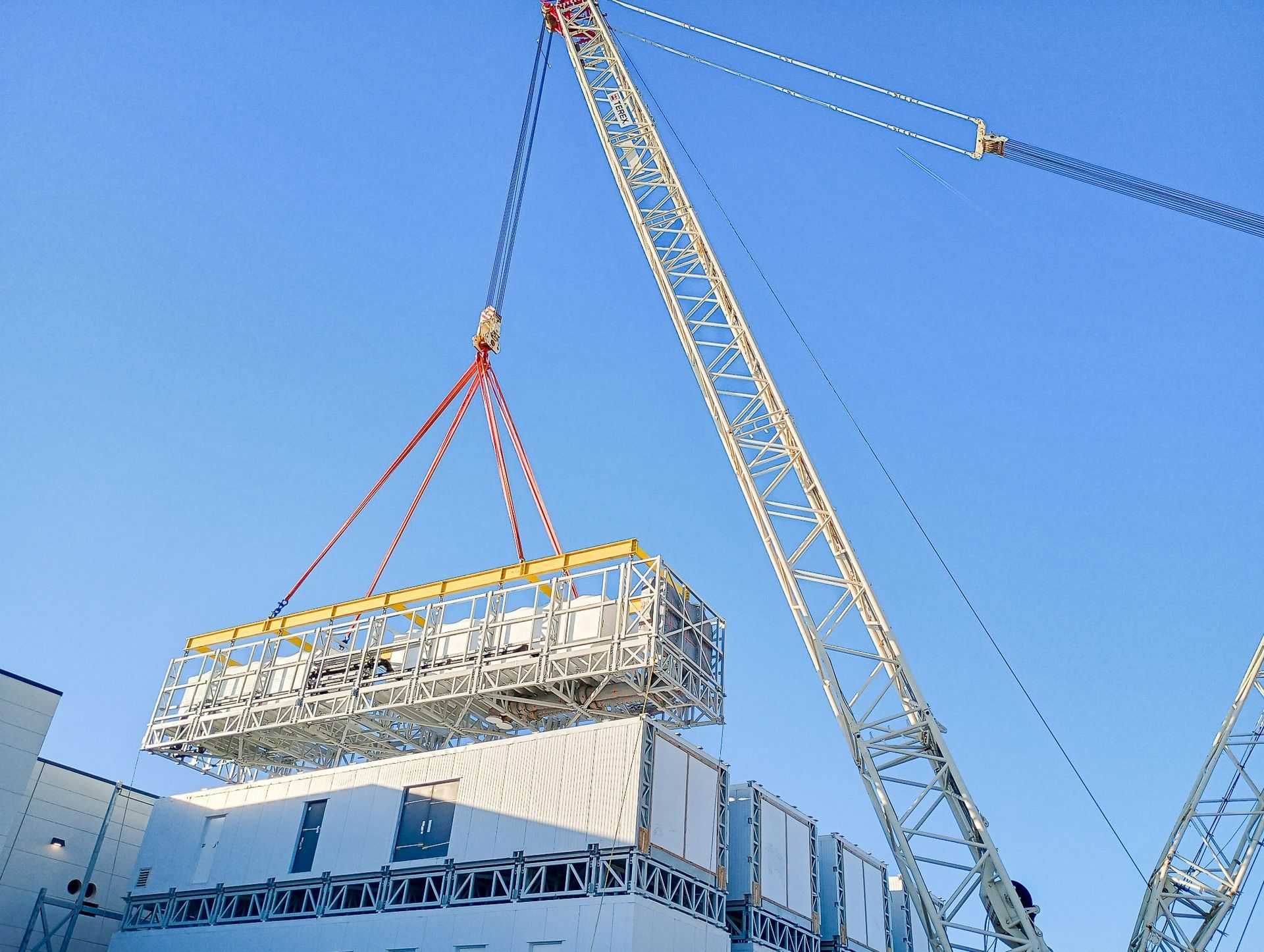
Crane operations are among the most safety-critical activities on industrial and commercial construction sites. The combination of heavy loads, suspended lifts, tight tolerances, and active jobsites creates inherent risk that must be managed carefully.
While equipment selection and lift planning are essential, the single most important factor in crane safety is the people performing the work. Certified crane operators and qualified rigging crews play a direct role in preventing incidents, protecting personnel, and keeping projects on schedule.
Why Crane Safety Is Different from Other Trades
Unlike many construction activities, crane operations involve suspended loads that can affect large areas of a jobsite. A single lift can:
- Pass over active work zones
- Impact multiple trades simultaneously
- Create consequences far beyond the immediate work area
Because of this, mistakes during crane operations tend to have higher consequences than errors in many other scopes of work.
What Certification Really Means
Certification is not just a credential—it represents verified competency.
Certified crane operators and rigging personnel have demonstrated:
- Knowledge of equipment capabilities and limitations
- Understanding of load dynamics and rigging principles
- Familiarity with safety standards and procedures
- Ability to respond to changing jobsite conditions
Certification provides assurance that the individual has met recognized industry benchmarks, not just on-the-job experience.
The Role of Certified Crane Operators
Certified crane operators are trained to understand far more than basic crane controls. Their responsibilities extend into planning, communication, and situational awareness.
Key Responsibilities of Certified Operators
- Verifying crane configuration and setup
- Understanding load charts and capacity limits
- Monitoring wind and environmental conditions
- Communicating clearly with rigging crews and signal persons
- Stopping operations when conditions become unsafe
An experienced, certified operator knows when not to make a lift—often preventing incidents before they happen.
Why Rigging Crews Matter Just as Much
Rigging crews are responsible for how loads are attached, balanced, and controlled during a lift. Improper rigging is a leading cause of crane-related incidents.
Qualified rigging crews understand:
- Load weight distribution
- Sling selection and angles
- Hardware ratings and compatibility
- Redundancy and fail-safe practices
Certified or trained riggers are far more likely to identify unsafe rigging configurations before a lift begins.
Communication: The Backbone of Safe Lifts
Safe crane operations rely on clear, disciplined communication.
Certified operators and rigging crews are trained to:
- Use standardized hand signals
- Follow radio communication protocols
- Conduct pre-lift briefings
- Confirm lift plans before execution
When communication breaks down, even the best equipment and planning cannot compensate.
Situational Awareness on Active Jobsites
Industrial jobsites are dynamic environments. Conditions can change rapidly due to:
- Weather
- Nearby operations
- Equipment movement
- Schedule pressures
Certified crews are trained to maintain situational awareness and adjust operations as conditions evolve. This awareness often prevents unsafe lifts caused by rushed decisions or changing site conditions.
Certification Reduces “Normalization of Risk”
One of the most dangerous patterns on construction sites is the normalization of risk—when unsafe practices become routine because “nothing bad has happened yet.”
Certified operators and riggers are trained to recognize:
- Unsafe shortcuts
- Deviations from approved lift plans
- Pressure to rush or bypass procedures
Their training reinforces that safety standards exist for a reason, even when shortcuts appear faster.
The Impact on Jobsite Culture
Certified crane crews often elevate safety culture across the entire jobsite.
Their presence encourages:
- Better planning and preparation
- More disciplined execution
- Increased awareness among other trades
- Respect for exclusion zones and lift boundaries
When crane operations are executed professionally, other trades tend to follow suit.
How Certification Improves Incident Prevention
Most crane incidents are preceded by warning signs:
- Marginal capacity
- Poor rigging angles
- Ground instability
- Communication confusion
Certified personnel are trained to identify and address these warning signs before they escalate.
This proactive approach significantly reduces:
- Near-misses
- Property damage
- Injury risk
- OSHA reportable incidents
Safety and Schedule Are Not Opposites
A common misconception is that safety slows projects down. In reality, unsafe operations are one of the biggest causes of delays.
Certified crews help maintain schedule by:
- Avoiding stoppages caused by unsafe conditions
- Reducing rework from damaged materials
- Preventing incidents that shut down jobsites
Safe operations are often the most efficient operations.
Why Certification Matters to Owners and GCs
From an owner or general contractor perspective, certified crane crews reduce risk exposure.
Benefits include:
- Lower likelihood of incidents
- Improved compliance with safety requirements
- Reduced insurance and liability concerns
- Greater confidence during audits and inspections
Many owners now require certified operators and riggers as a condition of working on their projects.
Certification Alone Is Not Enough
While certification is critical, it is most effective when paired with experience and proper planning.
The strongest crane operations combine:
- Certified operators
- Qualified rigging crews
- Engineered lift planning
- Clear communication
- Integrated coordination with other trades
Certification sets the baseline—but execution brings it to life.
The Value of Operating as a Coordinated Team
Crane safety improves significantly when operators, riggers, and supporting crews work together consistently.
Teams that operate regularly together:
- Communicate more effectively
- Anticipate each other’s actions
- Execute lifts more smoothly
- Respond faster to unexpected conditions
This coordination reduces uncertainty during critical lifts.
Why Experienced Contractors Prioritize Certification
Experienced crane contractors understand that certifications protect:
- People
- Equipment
- Schedules
- Reputations
They view certified crews not as an added cost, but as a risk-management investment that pays dividends over time.
Final Thoughts
Crane operations will always involve risk—but that risk can be managed effectively.
Certified crane operators and rigging crews:
- Improve jobsite safety
- Reduce incidents and delays
- Support compliance and accountability
- Strengthen project outcomes
When safety-critical work is entrusted to trained, certified professionals, providers like Down South Crane & Rigging help ensure crane operations are more predictable, controlled, and reliable.
On industrial and commercial projects, who performs the lift matters just as much as how it is planned.
Search
Recent Post