Typhoon Texas and Pflugerville's Water Park Infrastructure
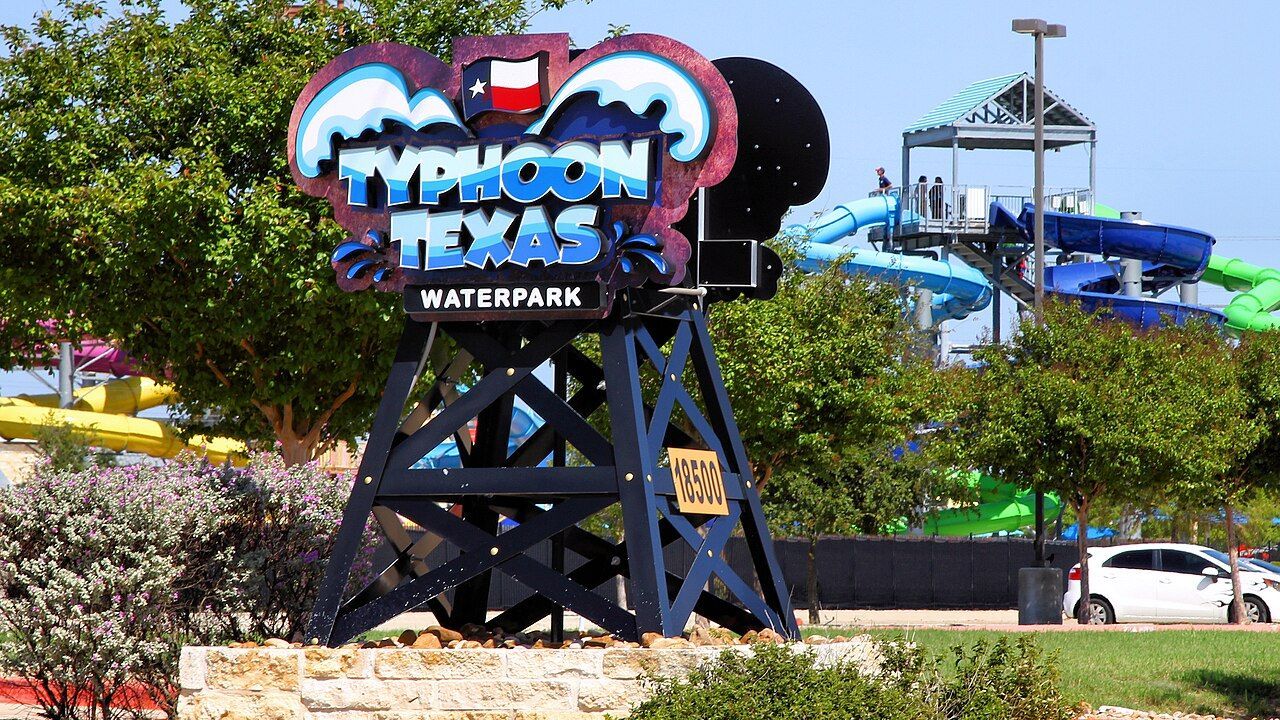
Pflugerville, Texas, sits along the fast-growing corridor northeast of Austin, and one of its most recognizable pieces of recreational infrastructure is Typhoon Texas, a roughly 25-acre water park that has served as a seasonal gathering point for Central Texas residents since reopening under its current name in 2017. Understanding how a facility of this scale is engineered, regulated, and maintained offers insight into broader systems of construction, safety oversight, and climate adaptation found throughout the region.
From the equipment required to erect multi-story slide towers to the state programs that inspect each ride annually, the park illustrates how recreational infrastructure intersects with engineering standards and the environmental conditions unique to Central Texas.
A Regional Recreational Landmark
Typhoon Texas Austin occupies land that previously operated as part of the Hawaiian Falls water park chain from 2014 to 2016, before reopening under its present name the following year. A significant share of the site's footprint consists of surface parking, a layout typical of suburban Central Texas developments built around vehicle access rather than transit.
The park includes multiple slide towers, a wave pool, and a lazy river, each requiring distinct structural foundations and water-filtration infrastructure. Because Pflugerville sits within one of the fastest-growing parts of the Austin metropolitan area, large recreational sites like this one factor into broader regional planning around traffic, utilities, and stormwater capacity.
Engineering Standards Behind Large Water Attractions
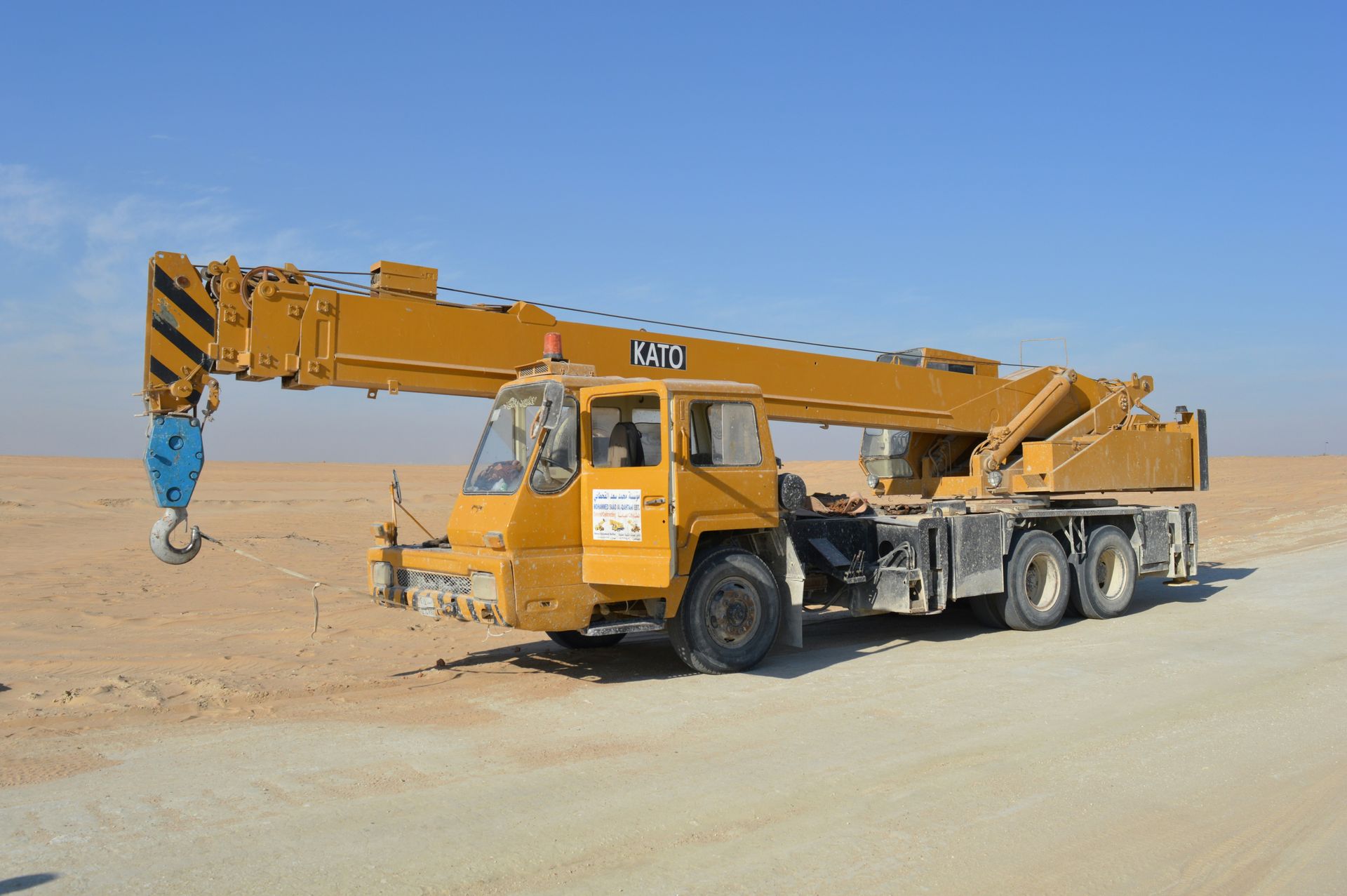
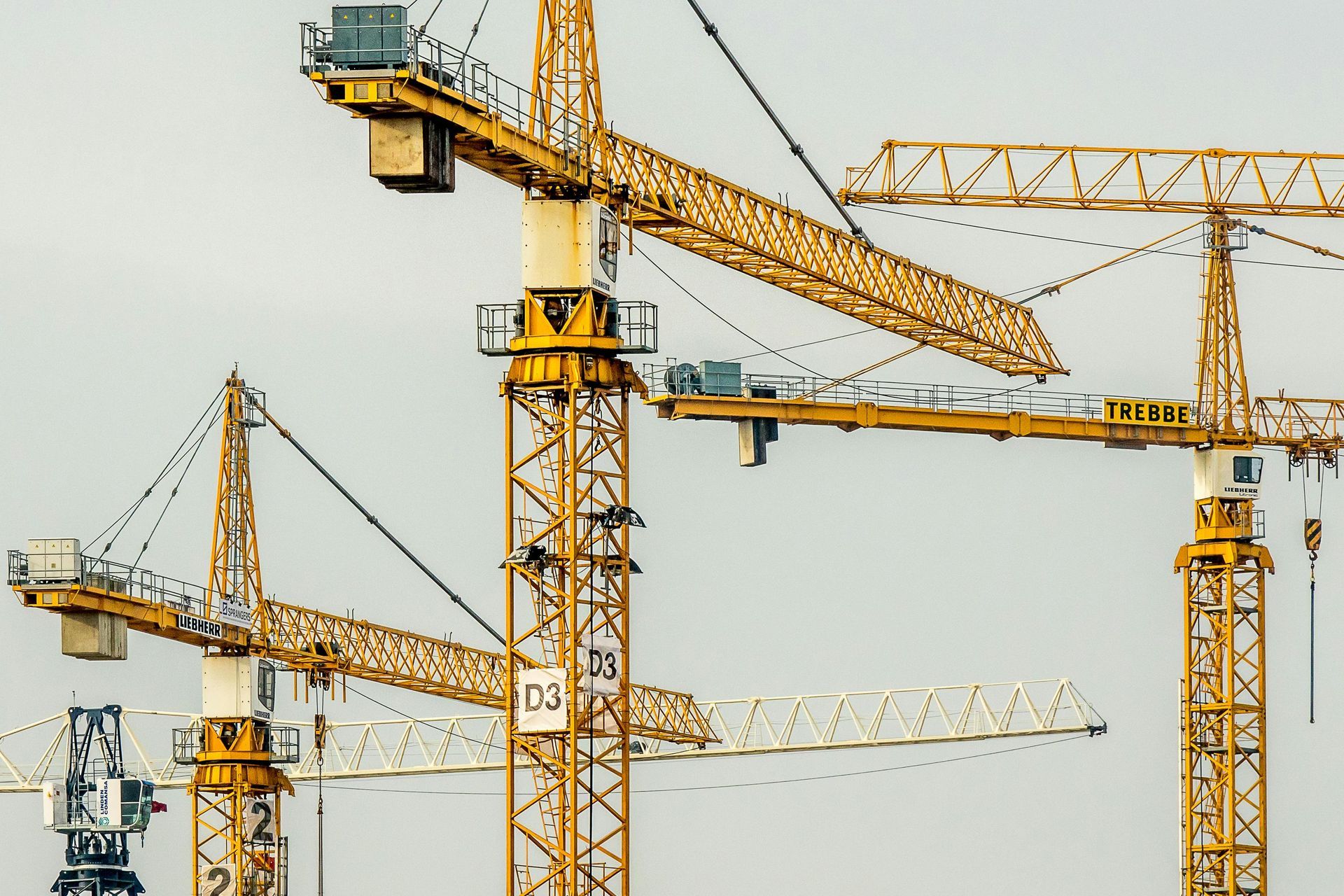
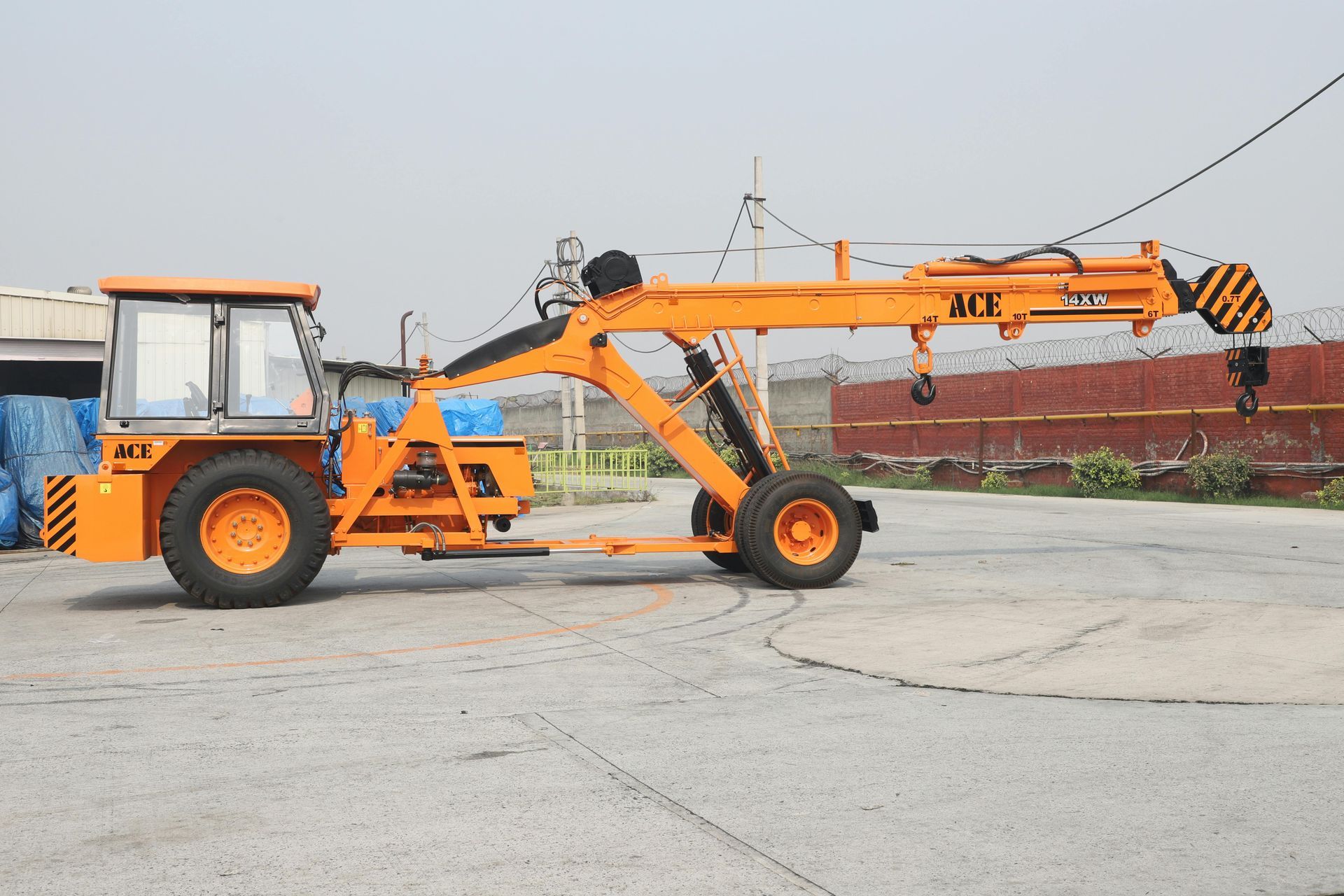
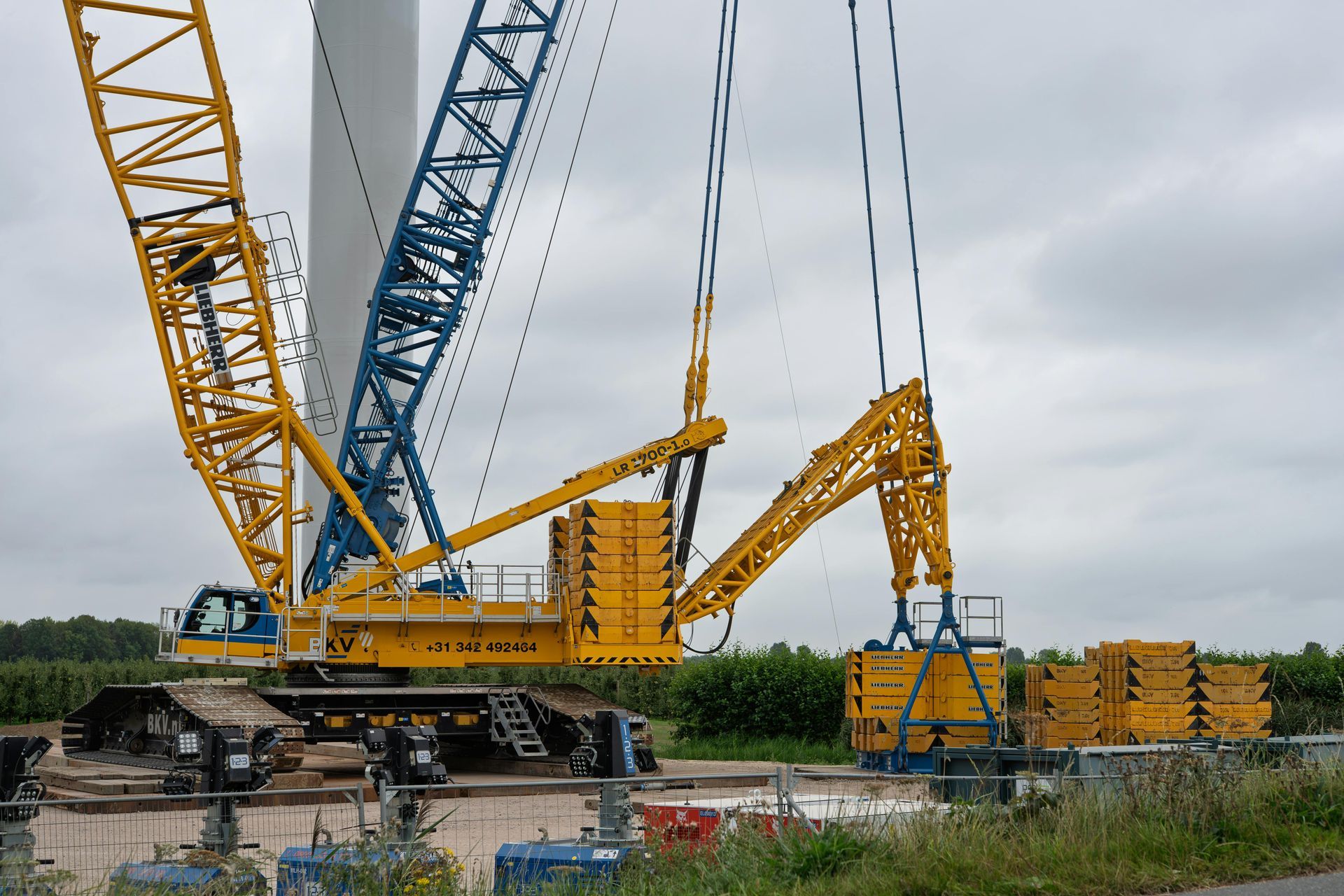
Water parks depend on structural steel, fiberglass flume sections, and reinforced concrete foundations to support slide towers that often exceed 40 feet in height. Assembling these components typically requires cranes capable of placing prefabricated sections according to a rigging plan, an engineered document specifying load weight, sling angles, and crane capacity at a given lift radius.
Because these lifts often occur near existing structures and pedestrian areas, they demand personnel trained to recognized federal standards. Since November 10, 2018, employers in construction have been required to ensure crane operators hold current certification demonstrating competency in load charts and hazard recognition, a requirement established under OSHA's cranes and derricks standard.
Site logistics for projects involving heavy prefabricated components generally account for several recurring factors:
- Soil-bearing capacity beneath crane outriggers
- Overhead and underground utility clearances
- Wind conditions that can affect load stability during a lift
- Access routes suited to oversized delivery vehicles
These considerations are not unique to amusement infrastructure. They apply broadly across construction projects throughout Central Texas wherever heavy components must be lifted and set with precision, a process outlined further in how site logistics affect heavy lifts.
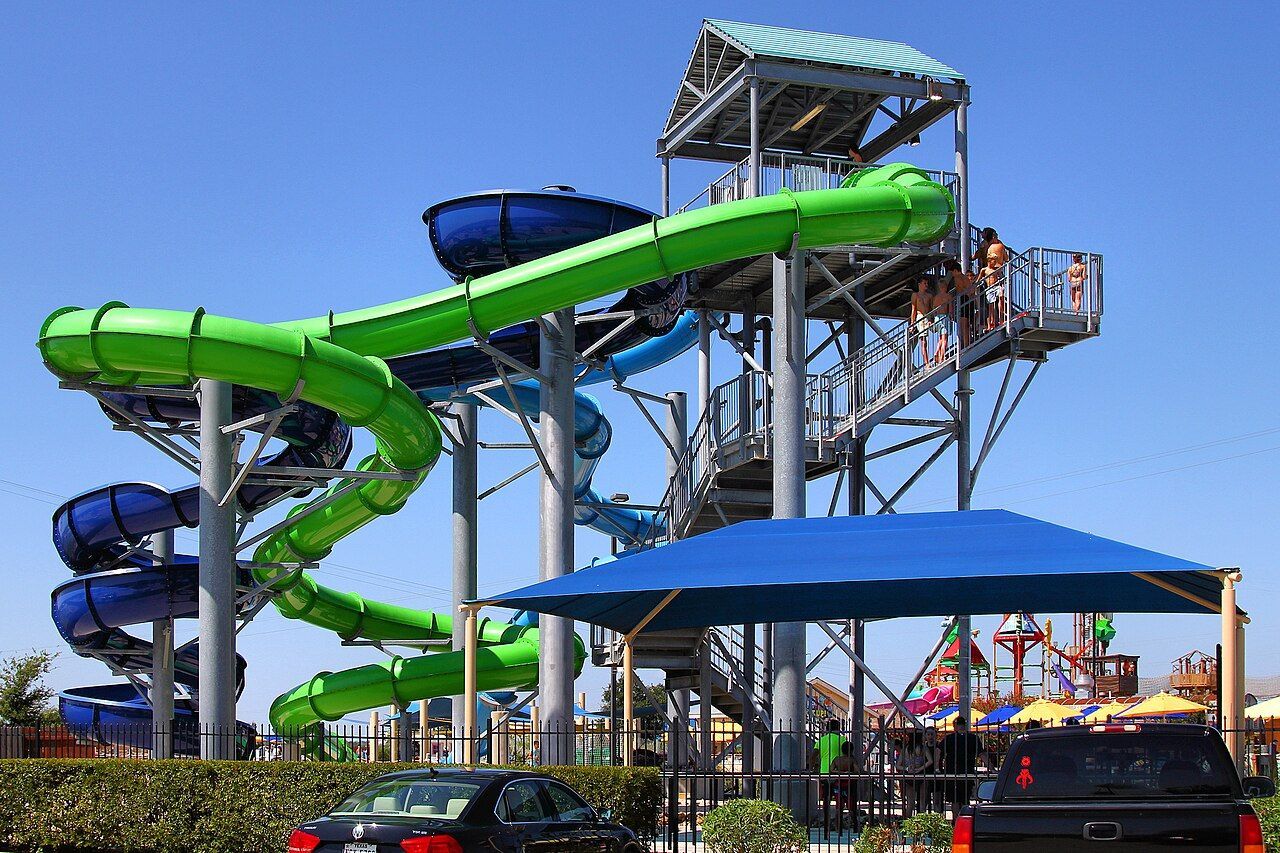
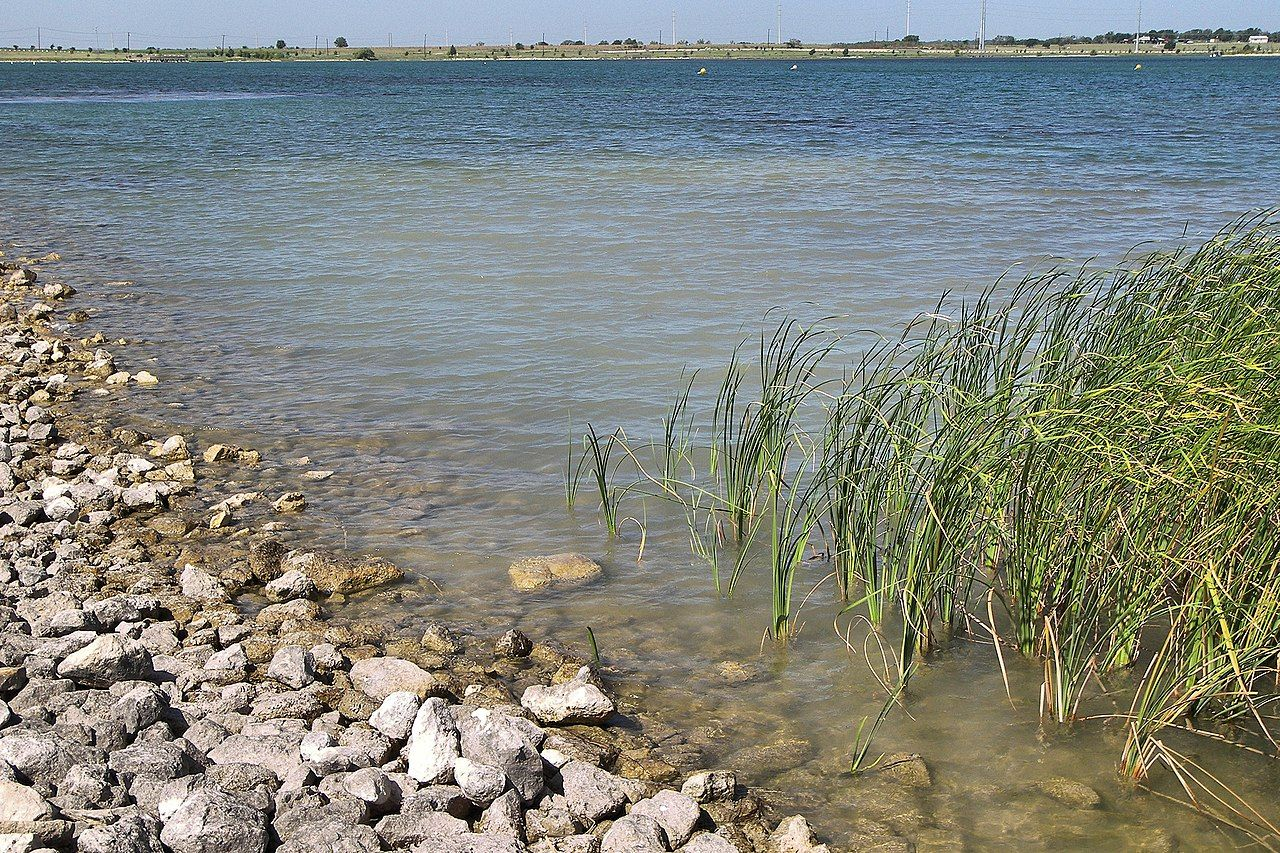
Image credit: Larry D. Moore, CC BY 4.0, via Wikimedia Commons
Safety Oversight for Amusement and Water Rides
Texas centralizes amusement ride oversight at the state level rather than leaving inspection entirely to local jurisdictions. Ride owners must maintain current inspection documentation and insurance coverage confirming that each attraction meets applicable engineering and operational standards before opening to the public each season.
Many of these standards trace back to consensus-based guidelines developed for the amusement industry nationally, covering structural components, restraint systems, and mechanical systems alike. This layered approach to oversight means a ride's readiness depends on both manufacturer specifications and ongoing state-level review.
Inspection Considerations Specific to Central Texas
Inspectors evaluate structural components, restraints, and mechanical or hydraulic systems for fatigue, corrosion, or wear before certifying a ride for the season. Facilities in Central Texas face an added variable: prolonged sun exposure and wide temperature swings can accelerate wear in fiberglass and rubber components compared with cooler climates.
As a result, sun-exposed surfaces at regional water parks often warrant more frequent visual inspection than similar equipment operating in milder regions, similar to the equipment fatigue factors seen across outdoor industrial sites in the area. This pattern reflects how climate shapes maintenance schedules even when formal inspection intervals remain the same nationwide.
How Central Texas Climate Shapes Regional Infrastructure
Pflugerville's climate directly influences how water-based infrastructure operates throughout the year. Summer heat index values in the Austin area routinely climb into advisory territory, prompting the National Weather Service's Austin/San Antonio forecast office, which serves the Pflugerville area, to issue periodic heat alerts during peak season.
At the same time, Central Texas lies within a region hydrologists often describe as prone to sudden, intense rainfall capable of producing rapid runoff. Large paved sites, including expansive parking areas common to recreational facilities, must incorporate stormwater management planning designed around this rapid-onset flooding potential.
Periodic drought conditions add a further layer of complexity, since regional water authorities occasionally implement use restrictions during periods of reduced reservoir levels. Facilities dependent on municipal water supplies for pools and attractions must adjust operational planning accordingly during these periods.
Taken together, extreme summer heat, flash-flood potential, and periodic drought form a climate profile that engineers and regulators must weigh when designing or maintaining large water infrastructure in this part of Texas.
Why Regional Infrastructure Like This Matters
Facilities of this scale function as useful case studies in how construction logistics, state regulation, and climate adaptation intersect in one place. The lifting techniques used to erect slide towers, the certification pathways required of crane operators, and the inspection routines enforced at the state level all reflect standards that extend well beyond a single site.
For anyone evaluating similar construction or heavy-lift projects in the region, the same principles of
load planning and regulatory compliance shape outcomes far beyond one water park. Viewed this way, a single recreational facility offers a clear window into how regional infrastructure across Central Texas is built to withstand the specific demands of its environment.
Search
Recent Post