Lake Pflugerville: Geographic Landmark
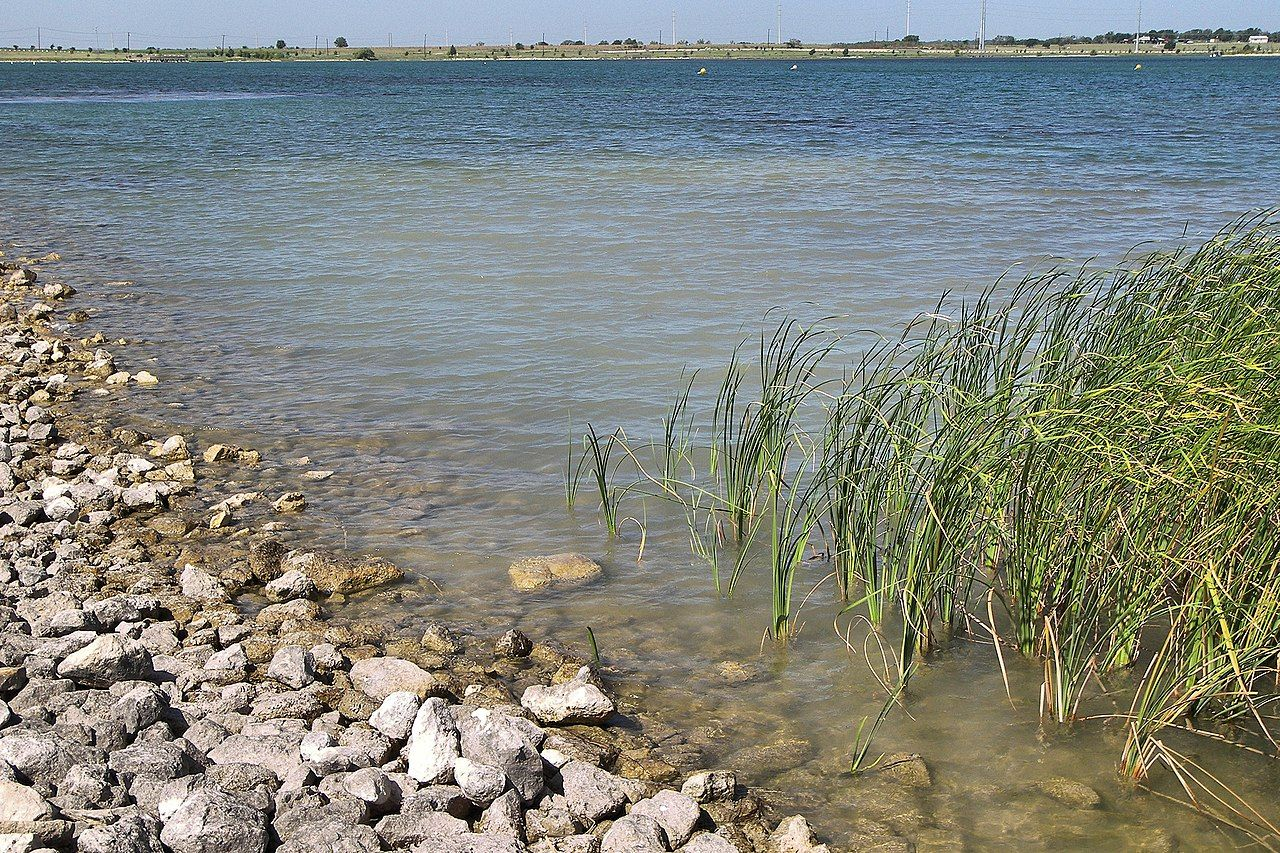
Lake Pflugerville, a 180-acre reservoir in Travis County operated by the Lower Colorado River Authority, anchors one of the fastest-growing suburban corridors in Central Texas. The lake sits within a densely developing zone where residential subdivisions, commercial corridors, and light industrial facilities are actively under construction.
For contractors and project managers working in this area, understanding the physical and logistical context around Lake Pflugerville is as important as knowing the specs of the equipment they bring to the job.
What Lake Pflugerville Is and Why It Matters for Heavy Lift Work
Lake Pflugerville was constructed as a flood control and recreation reservoir fed by Gilleland Creek. The lake sits at roughly 491 feet above mean sea level and is bordered by a dedicated park managed by the City of Pflugerville ParksDepartment. While the lake itself is not a navigable waterway for industrial purposes, its surrounding infrastructure has a direct influence on crane and rigging operations nearby.
The park boundary, utilities running beneath the surrounding parkland, and pedestrian corridors along the shoreline all factor into site planning for jobs located adjacent to or within sight of the lake. Permitted work zones, overhead utility clearances, and ground bearing capacity near the water's edge are all variables that must be confirmed before mobilizing a crane.
Soil and Ground Conditions in the Lake Pflugerville Area
Central Texas is characterized by expansive clay soils — specifically the Austin and Houston clay series — that shift significantly with changes in moisture. The area around Lake Pflugerville is no exception. Seasonal rainfall patterns
in the Pflugerville area can swing from prolonged drought to heavy precipitation events, sometimes within weeks, which causes measurable ground movement.
For crane operations, these soil conditions directly affect outrigger mat sizing and load bearing calculations. A ground bearing pressure analysis — a formal engineering evaluation of the soil's capacity to support applied loads — is typically required before setting up any hydraulic crane in the vicinity of the lake. Contractors who skip this step risk outrigger sinkage, which can compromise lift stability. Texas crane operators working in Travis County are subject to OSHA 1926 Subpart CC regulations governing crane assembly, operation, and ground conditions.
The USDA Web Soil Survey provides site-specific soil data that engineers use when calculating bearing capacity for project sites in this region. For sites immediately adjacent to the lake shoreline, saturated soil conditions following heavy rain can reduce bearing capacity significantly below dry-season baselines — meaning a crane configuration that was safe during one site visit may require reassessment after a major precipitation event.
Geotechnical engineers familiar with Travis County clay profiles often recommend conservative mat sizing and periodic re-inspection of outrigger pads on multi-day lifts.
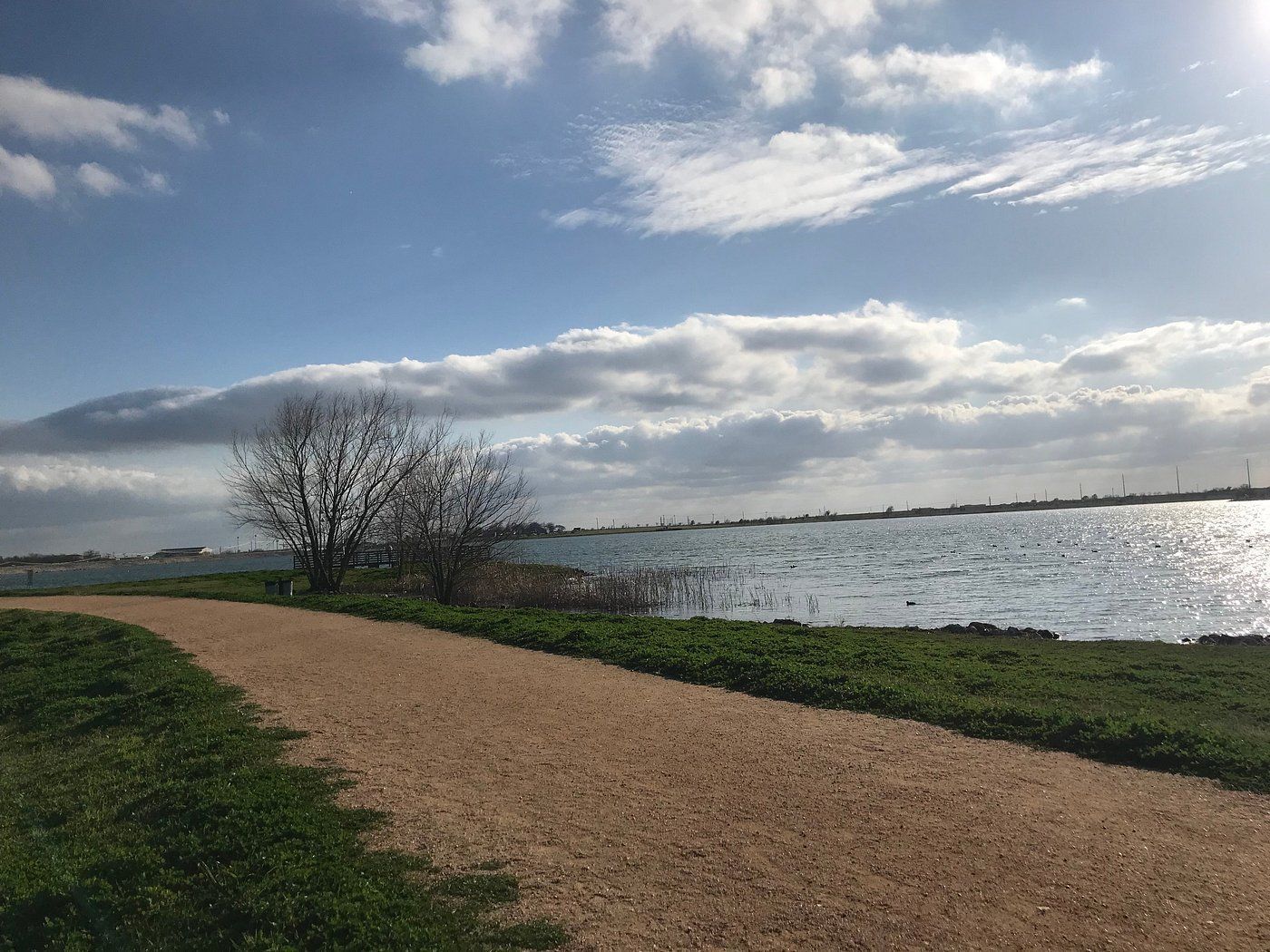
Image credit: Orcun Z via Tripadvisor
Overhead Utility Corridors Around the Reservoir
Utility infrastructure around Lake Pflugerville includes both overhead power distribution lines and buried service corridors. Oncor and Austin Energy both operate distribution assets in the broader Pflugerville area. Texas law under the One-Call Notification System (Texas 811) requires that any excavation or surface disturbance within the vicinity of a project be preceded by a utility locate request submitted at least 48 hours in advance.
For crane operations, the concern extends beyond buried utilities to overhead clearance. OSHA requires that cranes maintain a minimum 20-foot clearance from energized lines rated up to 350 kV, with greater distances required at higher voltages. Project managers coordinating lifts near the lake perimeter should identify all overhead line routes during site surveys and request line de-energization or insulation from the relevant utility if clearances cannot be met.
The ASME B30.5 standard for mobile cranes provides additional guidance on proximity planning to energized lines that operators and riggers reference during pre-lift meetings.
Permit and Zoning Considerations Near the Lake Corridor
The City of Pflugerville and Travis County jointly govern development adjacent to the lake. Projects within the 100-year floodplain boundary — portions of which extend toward Gilleland Creek and the lake's inflow zones — may require a Floodplain Development Permit in addition to standard building permits. The Travis County Transportation and Natural Resources department administers floodplain development review for unincorporated areas, while the City of Pflugerville Development Services handles permitting within city limits.
Street use permits are typically required when a crane setup involves any occupation of a public right-of-way, including staging areas along Kelly Lane or Lake Pflugerville Road. Pflugerville's Engineering and Public Works Department administers these permits, and applications should include a traffic control plan when the setup affects active travel lanes. Project timelines should account for the processing window, which can run anywhere from a few business days to several weeks depending on scope.
For projects near the lake that also involve lifting over occupied or publicly accessible areas, Texas requires that crane operators hold a valid license issued through the Texas Department of Insurance, which oversees crane operator certification statewide. Verifying licensure for all operators on a job is a standard due diligence step before work begins and is particularly relevant on sites where the public may be in proximity, such as those bordering the Lake Pflugerville park corridor.
Seasonal Factors Affecting Crane Operations in Pflugerville
Summer conditions in Pflugerville routinely push temperatures above 100°F, and Central Texas heat directly affects crane equipment performance and operator safety.
Hydraulic systems can experience pressure fluctuation under sustained heat exposure, and steel boom components expand measurably in high temperatures — factors that certified crane operators account for during lift planning. OSHA's heat illness prevention guidelines outline the thresholds and protective measures that apply to outdoor construction work in high-temperature conditions.
Wind is a secondary concern, particularly in spring when Central Texas experiences its most active severe weather season. Cranes operating near open water like Lake Pflugerville are more exposed to gusting conditions than those sheltered by buildings or tree lines.
The National Weather Service Austin/San Antonio office provides forecast data relevant to wind speed monitoring for lift operations in this region. Most crane manufacturers publish lift capacity deratings for sustained winds above 20–25 mph, and experienced riggers in the area treat incoming storm systems as a hard stop for active lifts.
Search
Recent Post