OSHA 1926 Subpart CC Crane Rules

Construction activity in Pflugerville and the broader Austin metro has expanded sharply over the past decade, and with it, the demand for crane operations on commercial, industrial, and infrastructure projects. Federal crane safety standards — specifically OSHA 1926 Subpart CC — govern virtually every aspect of how cranes are assembled, inspected, and operated on job sites.
Understanding these rules isn't just a compliance obligation; it protects workers, project timelines, and the contractors who hire lifting services.
What OSHA 1926 Subpart CC Covers
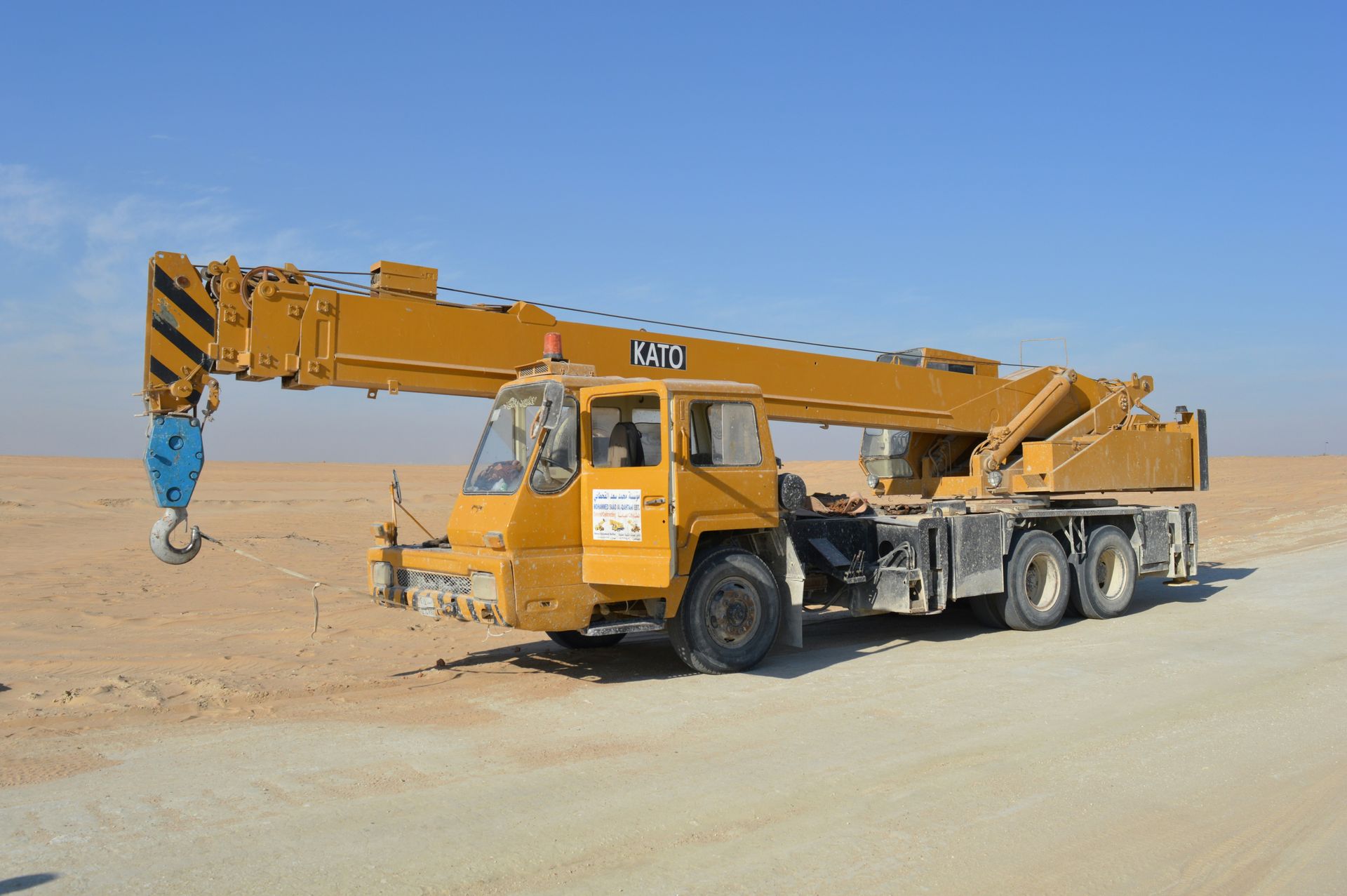
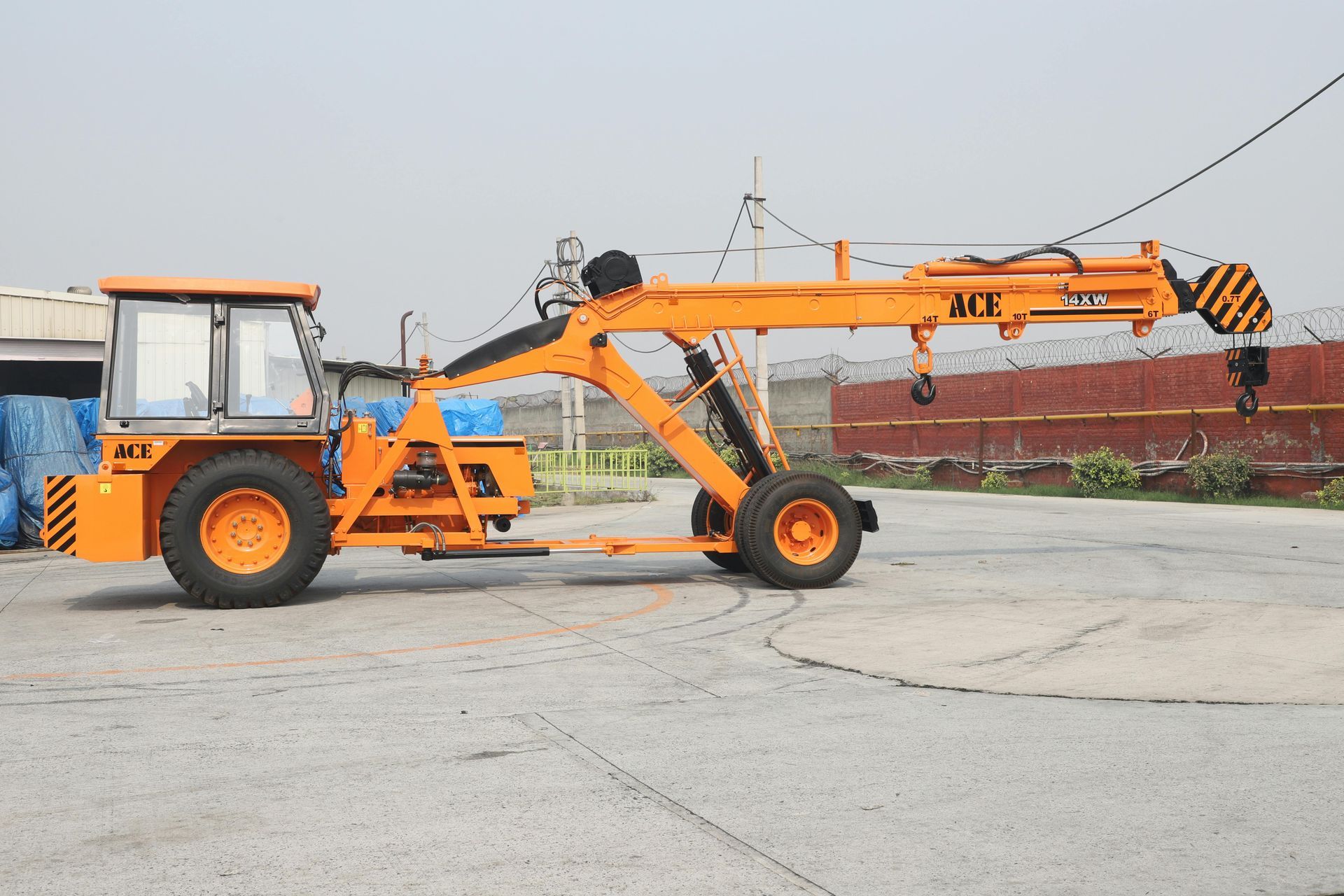
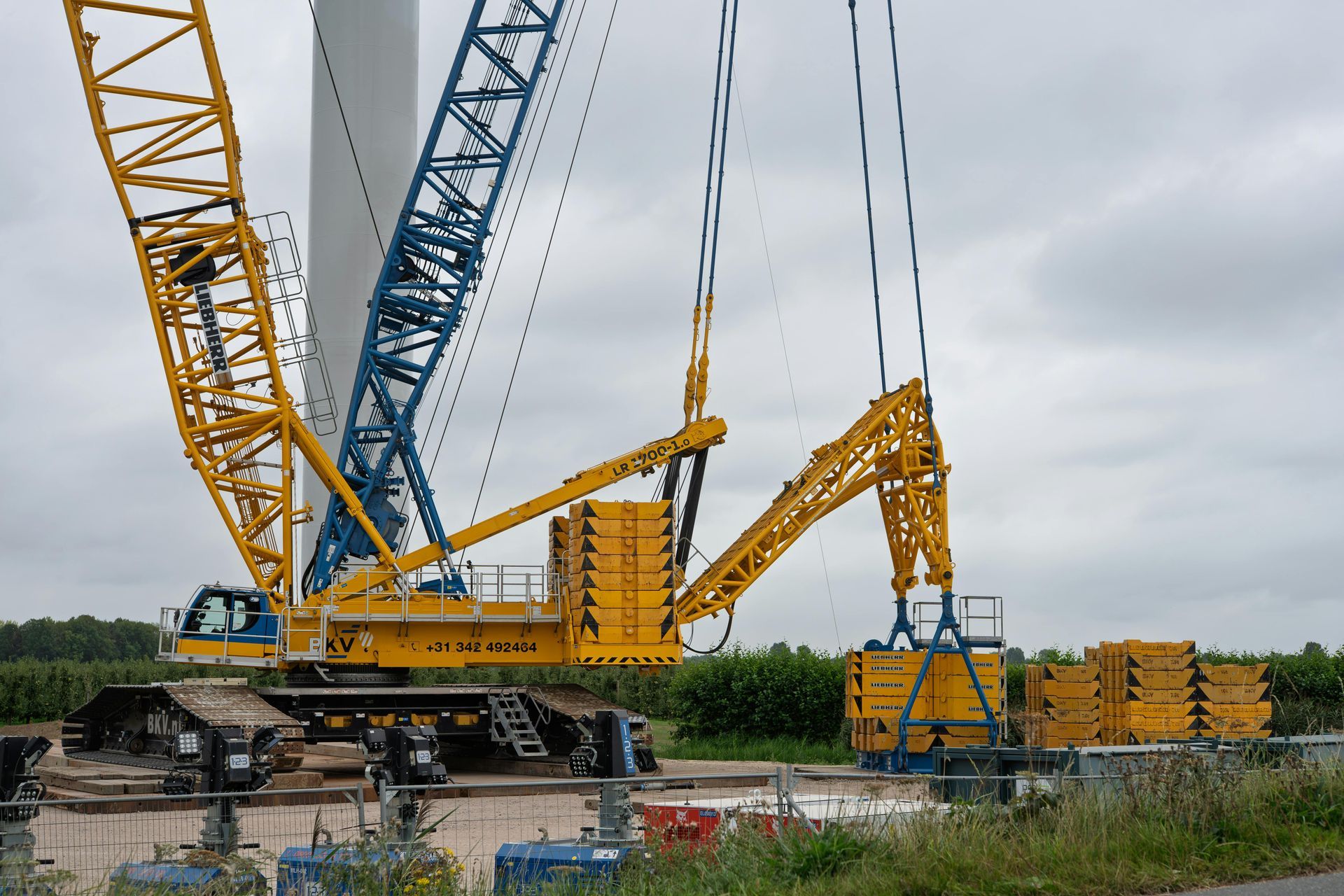
Subpart CC, titled "Cranes and Derricks in Construction," took effect in 2010 and replaced an older standard unchanged since the 1970s. The rule covers a wide range of equipment — including mobile cranes, tower cranes, and boom trucks commonly seen on Pflugerville job sites. The Occupational Safety and Health Administration maintains a dedicated resource page for cranes and derricks that outlines compliance tools and enforcement priorities.
The standard organizes crane safety into several major areas:
- Assembly and disassembly — written procedures, qualified supervision, and ground condition requirements
- Inspections — pre-shift, monthly, and annual protocols with documentation requirements
- Operator qualifications — certification or qualification requirements for anyone at the controls
- Ground conditions and supporting surfaces — the controlling entity must provide adequate ground support data before a crane is positioned
- Power line safety — strict clearance requirements and procedures for working near energized lines
Each category carries obligations for both the crane operator and employer — and in many cases, the general contractor or site owner shares accountability.
Operator Certification Requirements
One of the most scrutinized provisions of Subpart CC is the operator qualification mandate. The rule requires crane operators to be certified by an accredited third-party organization, qualified through an employer's documented program, or licensed by a state or local government where that licensing meets the federal standard.
Texas has no statewide crane operator licensing law, so federal certification requirements carry full weight. The most widely recognized credentialing body is the National Commission for the Certification of Crane Operators (NCCCO), which offers written and practical exams across multiple crane types. OSHA has confirmed that NCCCO certification satisfies Subpart CC requirements when paired with a task-specific employer assessment. Contractors can also reference the Crane Institute of America for additional certification pathways recognized under the standard.
Contractors hiring crane services in the Pflugerville area should verify current, equipment-appropriate certification and request documentation before work begins.
Inspection Protocols That Affect Your Project
Subpart CC establishes a tiered inspection system designed to catch defects before they become incidents. Pre-shift inspections must be completed by a competent person — someone trained to identify hazardous conditions and correct them — before each work shift, covering structural components, controls, wire rope, hooks, and safety devices.
Monthly inspections go deeper, examining components not easily visible during daily checks. Annual or post-repair inspections must be conducted by a qualified engineer or manufacturer-certified inspector and documented in writing. The American Society of Mechanical Engineers (ASME) publishes the B30 series of crane and rigging safety standards, which Subpart CC references for inspection criteria across equipment types.
OSHA data shows crane-related fatalities averaged around 44 per year nationally in recent years — a figure directly tied to equipment failure and improper use. For contractors in Pflugerville's fast-moving construction environment, confirming that a crane service follows documented inspection procedures is a meaningful due diligence step.
Ground Conditions and Site Responsibility
A provision that surprises many general contractors is the ground condition requirement. Subpart CC places responsibility on the "controlling entity" — typically the GC — to provide the crane operator with accurate ground condition information at the lift location. If the surface can't support outrigger or crawler loads, the GC is responsible for remediation or notification.
This matters especially in Pflugerville, where expansive clay soils are common across Williamson and Travis Counties. The Texas A&M AgriLife Extension has documented how these soils shift with seasonal moisture — stable after a dry summer, unreliable after spring rains. Site preparation responsibility legally rests with the controlling entity, not the crane company alone.
Before any pick, both parties should review the lift plan, confirm soil bearing capacity, and document the surface assessment. A written lift plan — required for all critical lifts under Subpart CC — formalizes this coordination.
Power Line Safety: The Most Common Compliance Gap
Working near energized power lines remains one of the most frequently cited crane hazards. Subpart CC establishes minimum clearance distances — 20 feet for lines up to 350 kV — and requires specific procedures when a crane operates within that distance.
Those procedures include notifying the utility, establishing a dedicated spotter, delineating the encroachment zone, and conducting a pre-work briefing with all personnel. OSHA's power line safety guidance for crane operations outlines the full procedural requirements and applicable clearance tables.
The Pflugerville area's rapid development has placed many job sites adjacent to existing utility infrastructure, making power line planning a pre-construction priority — not a mobilization-day afterthought.
Work With a Crane Service That Knows Subpart CC
Understanding OSHA 1926 Subpart CC gives contractors and project managers a clearer framework for evaluating crane services and knowing the right questions to ask before a lift begins. Certification, inspection records, lift planning, and ground condition coordination aren't bureaucratic checkboxes — they're the foundation of a safe and compliant job site.
If you're planning a project in Pflugerville or the surrounding Central Texas area, we bring the experience and compliance knowledge to execute safely and efficiently. Contact us to discuss your project requirements and get a lift plan started.
Search
Recent Post